
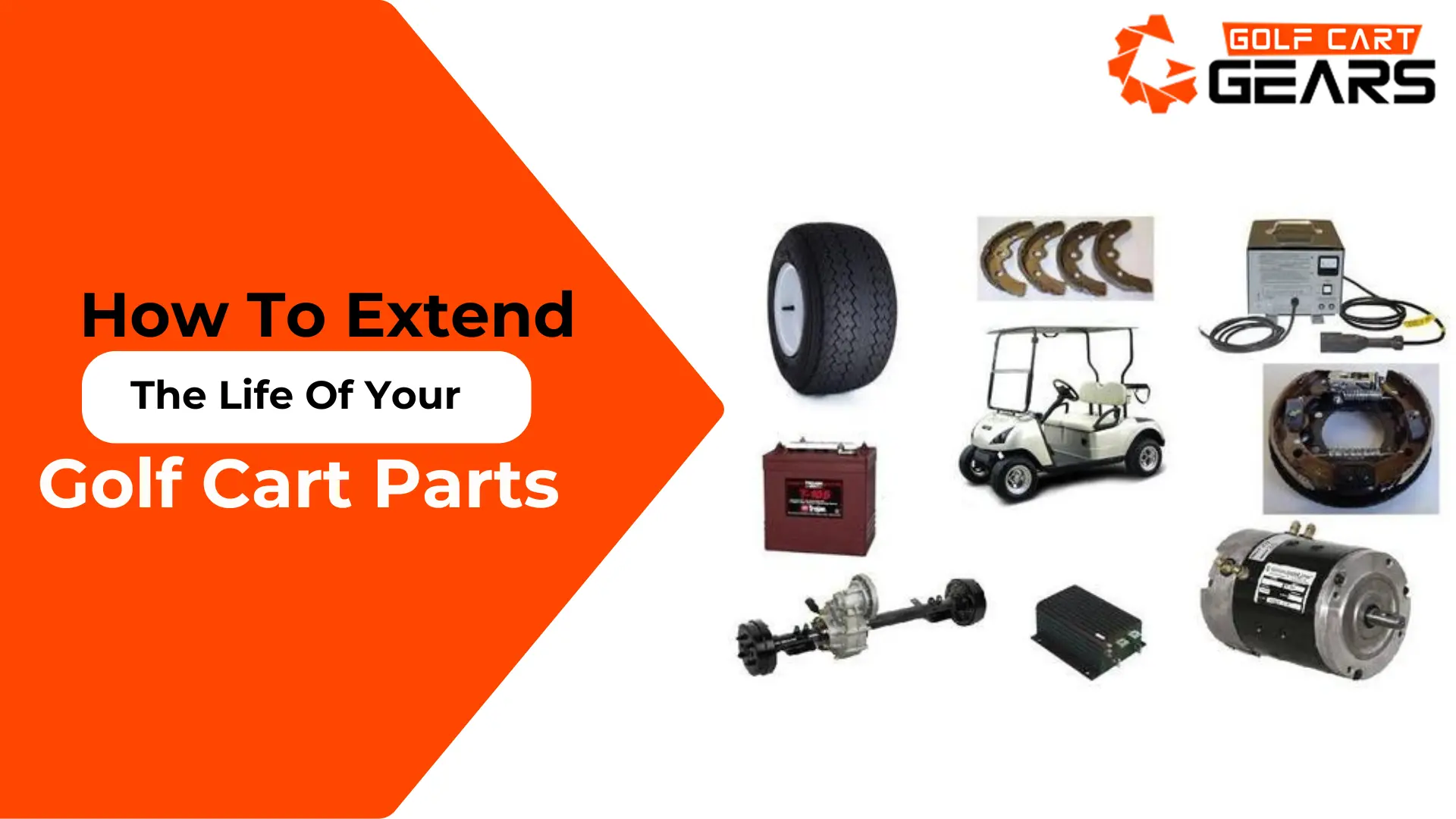
Keeping your golf cart in good shape is not hard if you stay consistent. How to extend the life of your golf cart parts starts with small habits that reduce wear and avoid sudden breakdowns. Simple care helps protect golf cart parts, improves performance, and saves money on early replacements. You can visit Golf Cart Gear for reliable golf cart parts.
Build A Simple Maintenance Routine That Works
A steady care routine keeps parts running longer and helps spot issues early. Establish a straightforward maintenance routine that works by regularly inspecting key areas, rather than waiting for problems to arise. This approach supports golf cart maintenance, protects electric and gas carts, and reduces stress on critical systems.
| Maintenance Task | Recommended Frequency |
| Visual inspection | Weekly |
| Battery check | Monthly |
| Tire pressure | Bi-weekly |
| Brake inspection | Every 3 months |
Regular Inspections That Prevent Early Wear
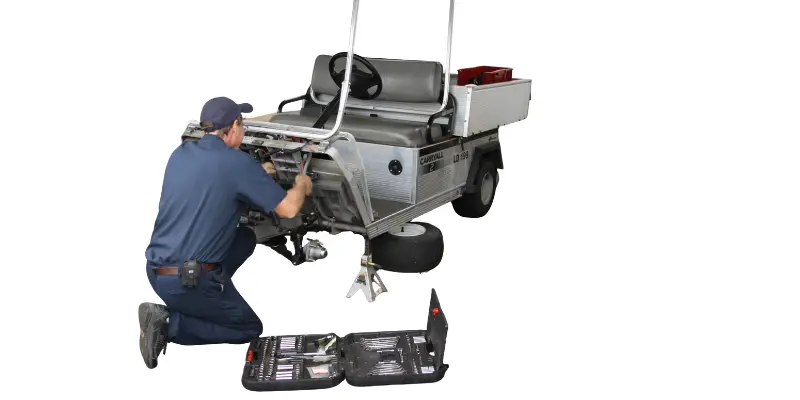
Staying ahead of damage starts with regular inspections that prevent early wear. Look closely at parts that move, carry weight, or handle power. This habit protects golf cart parts, wiring, and mechanical connections from damage before it spreads.
Things to check during inspections:
- Battery terminals for corrosion
- Tire tread and pressure balance
- Loose bolts, brackets, or mounts
- Cracked cables or worn belts
Catching small issues early helps extend the life of golf cart batteries, brake systems, and suspension parts.
Small Fixes That Stop Bigger Problems
Quick repairs make a big difference over time. Small fixes that stop bigger problems include tightening loose connections, cleaning dirty parts, and replacing worn fasteners. These simple actions reduce stress on golf cart motors, controllers, and steering systems.
Helpful quick fixes:
- Clean battery terminals with a soft brush
- Replace frayed wires before they fail
- Lubricate moving joints and pivots
- Secure loose panels and covers
These small steps protect golf cart electrical parts and prevent sudden breakdowns during use.
Maintenance Habits Many Owners Ignore
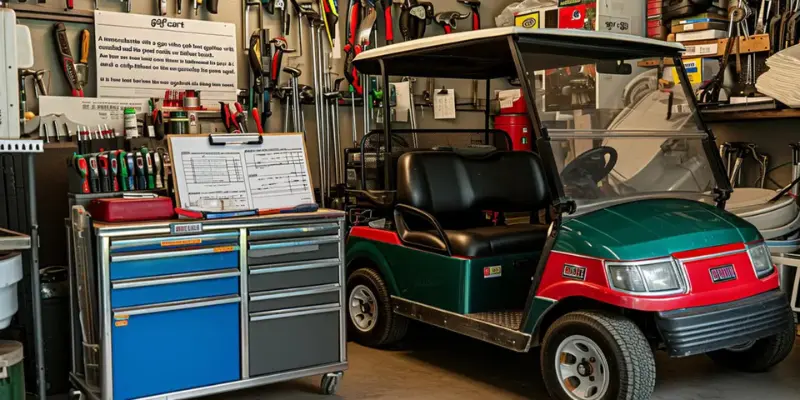
Some habits are often skipped, but play a major role in longevity. Maintenance habits many owners ignore include proper storage, gentle driving, and weight control. Ignoring these can shorten the life of golf cart accessories and core components.
Commonly overlooked habits:
- Avoid overloading the cart
- Store carts in dry, shaded areas
- Charge batteries correctly without overcharging
- Wash dirt and salt residue after use
Consistent care helps extend the life of your golf cart parts, improves reliability, and keeps your cart ready for daily use without costly repairs.
Protect Golf Cart Parts From Weather And Storage Damage
Taking care of your cart starts with protecting golf cart parts from weather and storage damage using smart daily habits. Heat, rain, dust, and poor storage slowly harm golf cart parts, shorten their life, and raise repair costs. A few simple steps can keep your cart reliable in all seasons.
Heat, Sun, And Moisture Protection Tips
Weather exposure is one of the main reasons parts fail early. Heat, sun, and moisture protection tips help reduce fading, cracking, and electrical issues in golf cart components.
Strong sunlight can damage seats, dashboards, and wiring, while moisture affects golf cart batteries, brakes, and metal frames. Using basic protection tools keeps these parts safe.
Helpful protection habits:
- Park in shaded or covered areas
- Use weather covers for outdoor parking
- Keep battery compartments dry
- Avoid leaving carts in standing water
| Weather Risk | Affected Parts | Simple Protection |
| Sun heat | Seats, wiring | UV-resistant covers |
| Rain | Batteries, brakes | Sealed covers |
| Humidity | Metal parts | Dry storage space |
These steps support longer life for electric golf carts and gas golf carts alike.
Cleaning Methods That Prevent Rust And Corrosion
Dirt buildup causes long-term damage if ignored. Cleaning methods that prevent rust and corrosion are essential for metal and electrical parts. Regular cleaning keeps golf cart frames, bolts, and connectors in good condition.
Simple cleaning practices include gentle washing and proper drying. Avoid harsh chemicals that strip protective coatings from golf cart accessories.
Effective cleaning tips:
- Rinse mud and dust after use
- Dry metal parts fully
- Clean battery terminals carefully
- Use light rust protectant sprays
| Area To Clean | Cleaning Frequency |
| Undercarriage | Monthly |
| Battery terminals | Every 2 months |
| Frame and bolts | Quarterly |
These habits help reduce corrosion and protect golf cart electrical parts from failure.
Safe Storage For Daily And Seasonal Use
Storage plays a big role in part life. Safe storage for daily and seasonal use helps prevent cracking, rust, and battery drain. Proper storage supports long-term care for golf cart parts and accessories.
For daily use, keep carts in covered garages or sheds. Seasonal storage needs more preparation, especially for batteries and tires.
Smart storage practices:
- Remove dirt before storing
- Disconnect batteries during long storage
- Inflate tires to the proper pressure
- Use breathable covers, not plastic
| Storage Type | Key Focus |
| Daily storage | Shade and airflow |
| Seasonal storage | Battery care and dryness |
By following these steps, you can protect golf cart parts from weather and storage damage, reduce repair costs, and keep your cart ready whenever you need it.
Keep Batteries, Motors, And Electrical Parts Healthy
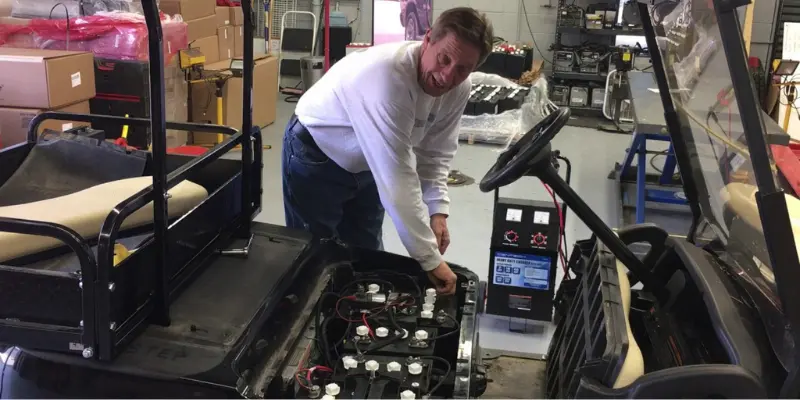
Taking care of keeping batteries, motors, and electrical parts healthy habits can greatly improve the life of your golf cart parts. Power-related components are expensive, so simple care steps help avoid sudden breakdowns, weak performance, and costly replacements in both electric golf carts and gas golf carts.
Proper Charging And Battery Care Practices
Good battery care starts with correct charging habits. Proper charging and battery care practices protect golf cart batteries from early failure and uneven power delivery. Overcharging, deep discharging, and poor ventilation slowly damage battery cells.
Simple habits that help:
- Charge batteries after regular use
- Avoid draining batteries fully
- Keep battery water at the right level
- Use chargers made for your cart type
| Battery Type | Charging Tip | Care Frequency |
| Lead-acid | Check water levels | Monthly |
| Lithium | Avoid full discharge | As needed |
These steps help maintain steady power and reduce stress on golf cart motors.
Electrical Connections And Wiring Checks
Loose or dirty wiring causes many hidden issues. Electrical connections and wiring checks help prevent power loss, short circuits, and sudden stops. Small inspections protect golf cart electrical parts and improve safety.
Dust, moisture, and vibration slowly loosen terminals and connectors. Checking them regularly avoids bigger problems later.
Key inspection points:
- Clean battery terminals
- Tighten loose wires
- Look for cracked insulation
- Check fuse condition
| Area Checked | Inspection Schedule |
| Battery cables | Every 2 months |
| Wiring harness | Quarterly |
| Fuses | Before long trips |
These checks keep golf cart performance stable and reliable.
Avoiding Power Strain And Overloading
Overloading puts heavy stress on motors and electrical systems. Avoiding power strain and overloading protects golf cart motors, controllers, and wiring from overheating and early wear.
Excess weight, steep hills, and extra accessories can push the system beyond safe limits.
Smart usage tips:
- Stay within load limits
- Avoid long uphill drives
- Turn off unused accessories
- Upgrade parts if adding accessories
| Common Strain Cause | Resulting Damage |
| Extra passengers | Motor overheating |
| Heavy accessories | Battery drain |
| Steep terrain | Controller stress |
By following these habits, you can keep batteries, motors, and electrical parts healthy, extend the life of your golf cart accessories, and reduce repair costs.
Reduce Wear On Tires, Brakes, And Moving Parts
Keeping the wear on tires, brakes, and moving parts as a regular goal helps your golf cart run smoothly and safely for years. These parts face daily stress from weight, speed, and terrain. Simple care habits can prevent early damage, reduce noise, and avoid costly repairs.
Tire Care And Load Balance Tips
Proper tire care directly affects comfort and control. Tire care and load balance tips help protect golf cart tires, steering parts, and suspension from uneven wear. Incorrect pressure or extra weight slowly damages tires and moving joints.
Helpful habits include:
- Check tire pressure regularly
- Avoid carrying more weight than allowed
- Rotate tires when wear looks uneven
- Use tires made for your driving surface
| Tire Type | Best Use | Pressure Check |
| Turf tires | Grass & smooth paths | Monthly |
| All-terrain tires | Rough or mixed roads | Every 2–3 weeks |
Balanced loads and correct pressure help extend the life of golf cart wheels and axles.
Brake System Care For Long-Term Safety
Reliable stopping power depends on good brake care. Brake system care for long-term safety keeps golf cart brakes responsive and prevents damage to rotors and cables. Ignoring brake issues often leads to higher repair costs.
Good brake habits:
- Listen for squeaking or grinding sounds
- Check brake pedal feel
- Inspect brake pads and cables
- Clean dust buildup near brake parts
| Brake Part | Check Frequency |
| Brake pads | Every 3 months |
| Brake cables | Twice a year |
| Pedal response | Weekly use check |
Well-maintained brakes improve safety and protect other golf cart parts from strain.
Choosing Quality Replacement Parts When Needed
Worn parts should be replaced early, not delayed. Choosing quality replacement parts when needed helps protect nearby components and keeps performance steady. Cheap parts may fit, but they often wear faster and cause new problems.
When replacing parts, look for:
- Proper fit for your cart model
- Durable materials
- Trusted sellers with clear product details
- Warranty or support options
| Part Type | Why Quality Matters |
| Tires | Better grip and longer life |
| Brake parts | Safer stopping |
| Bearings & joints | Smoother movement |
Using reliable golf cart replacement parts from trusted stores like Golf Cart Gears helps reduce repeat repairs and keeps your cart running smoothly for the long term.
Conclusion
Proper care and attention can significantly extend the life of your golf cart parts, keeping your cart safe, efficient, and enjoyable to drive. Regular maintenance of tires, brakes, motors, batteries, and moving components prevents premature wear, reduces repair costs, and ensures reliable performance on golf courses, communities, and streets.
Using quality replacement parts and trusted suppliers like Golf Cart Gears helps maintain durability while protecting other components. By following routine inspections, correct storage practices, and careful handling, golf cart owners can enjoy smoother rides, longer-lasting parts, and consistent safety for years to come, making every ride worry-free and enjoyable.
FAQs!
How can I extend the life of my golf cart parts?
To extend the life of your golf cart parts, perform regular maintenance, check batteries, motors, brakes, and tires, and use high-quality replacement parts from trusted suppliers like Golf Cart Gears.
How do I protect golf cart parts from weather damage?
Protecting your golf cart parts from sun, heat, moisture, and rust is key. Use covers, park in shaded areas, and clean parts regularly to prevent corrosion.
What are the best practices for battery and motor care?
Maintain proper charging routines, avoid overloading, inspect electrical connections, and keep motors clean to ensure long-lasting performance.
How do I reduce wear on tires and brakes?
Rotate tires, balance loads, inspect brakes regularly, and replace worn parts with quality components to prevent premature wear.
Where can I find reliable replacement golf cart parts?
Golf Cart Gears offers durable, high-quality replacement parts that help extend the life of your golf cart parts while ensuring safe and efficient operation.
How often should I inspect my golf cart parts?
Inspect tires, brakes, batteries, motors, and moving components at least once a month or before long rides to catch issues early and prevent bigger problems.