
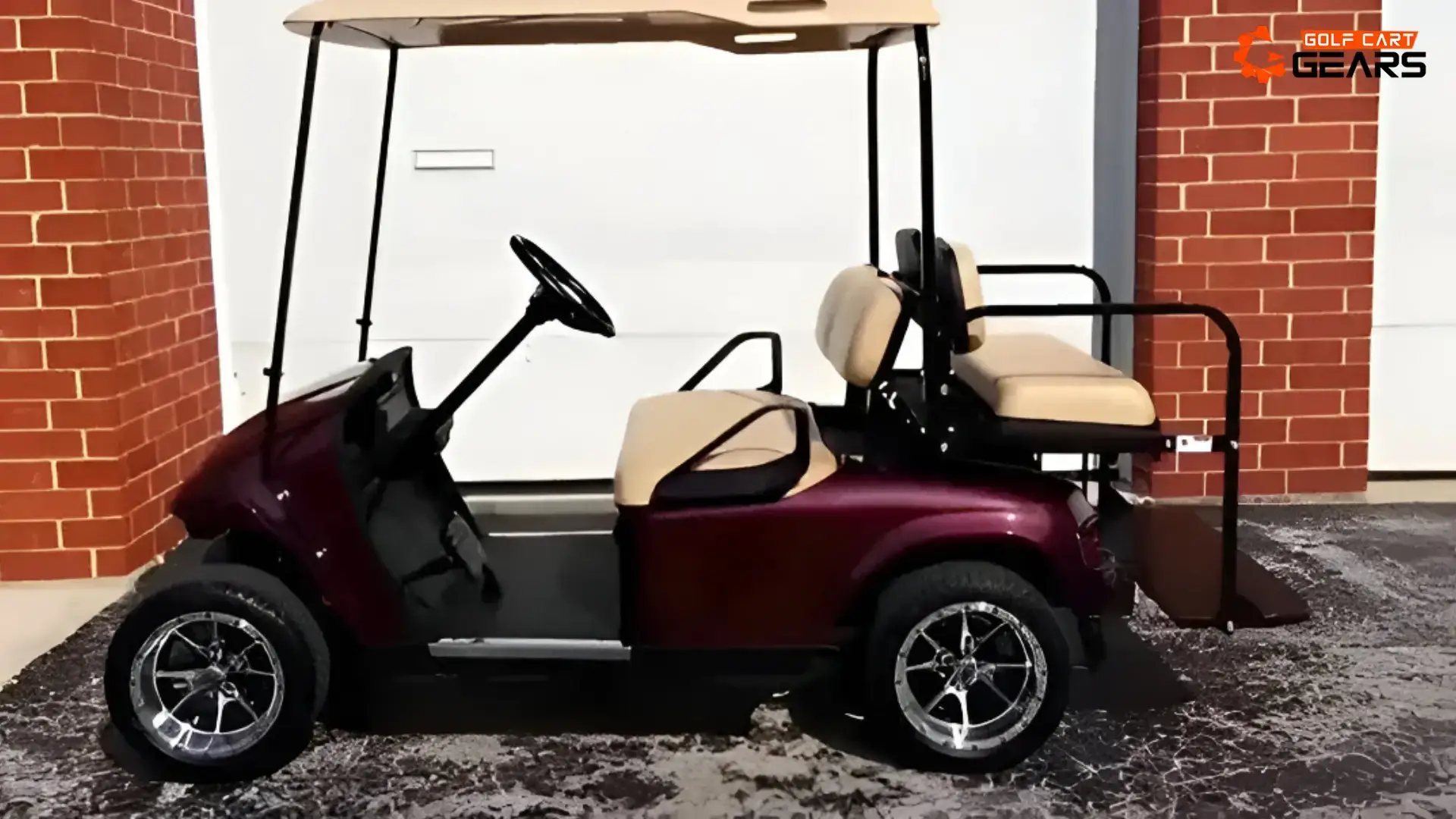
Even though the curb rash on the Golf Cart Rims might seem at first glance as more of a cosmetic issue, it actually affects the performance of the vehicle, safety, and its lifespan. This treatise will procedurally explore the steps that would have to be followed to repair the scratches, scuffs and the minor dents thus putting the rims back into a state of cleanliness, polish and protection.
Table of Contents
Understanding Curb Rash — Why It Happens and Why It Matters
The rim damage rate is not as low as it usually is viewed by the owners of golf carts. Even minor scrapes or scratches can be caused by even small hits even when rubbing against curbs during manoeuvres or going over bumpy trails. Understanding of the causative mechanisms is the first basin to prevention of self-directed restoration as well as evaluation of its feasibility.
What Causes Curb Rash on Golf Cart Rims
Curb rash is formed as a result of the rim being pushed against curbs, rocks or other rough surfaces. Other underlying causes include sudden stops, friction between tires or inappropriate mounting systems. As the impacts are repeated, paint can be chipped, underlying metal revealed, and thus the rims will look worn and aesthetically in a weak condition.
- Hitting curbs while turning
- Driving on rocky or uneven terrain
- Poorly mounted or misaligned wheels
- Frequent off-road use
Hidden Dangers of Ignoring Rim Damage
Small scratches or scuffs do not seem significant but precondition more serious complications in rims. Lying metal is prone to corrosion, structural integrity may be affected and the rim may eventually acquire deformities like bending or cracking. A small curb rash that could have been corrected into a simple correction can be used to turn into a costly overhaul in the future.
- Corrosion or rust forming under paint
- Weakened rim structure
- Reduced performance or stability
- Increased repair costs
How to Assess the Severity Before You Start
Before making any repair, it is important that a detailed examination of the rims is done first. The mild scratches or scuff marks can be treated using a self-guided treatment, but the serious ones (such as gouges, fissures or curved rims) will require a professional treatment. The acknowledgement of the severity would contribute to the choice of the relevant tools, filler, and paint to obtain a unified repair.
- Run your hand over the scratch to feel depth
- Look for cracks, bends, or exposed metal
- Determine if paint or filler is enough
- Decide if professional repair is safer
Tools and Materials You’ll Need for a Professional Finish
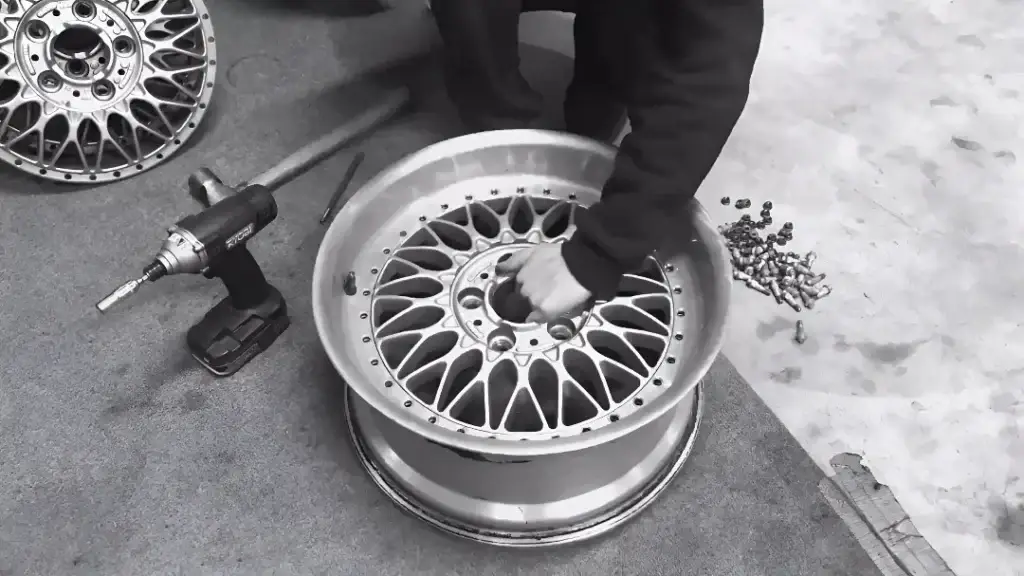
It is much easier to equip oneself with the tools and materials necessary to cure curb rashes, as well as ensure a professionally completed result. Sanding stages to the final use of paint each require certain tools; the use of quality materials would avoid mistakes and increase sticking and refurbish the rims to a new appearance.
Must-Have Tools for DIY Rim Repair
Preparation This step is important because you need to have the essential instruments that would make the process of repairing simpler and more efficient. The lack of such equipment leads to the possibility of creating uneven restorations or causing even more damage.
- Sandpaper (coarse to fine grits) for smoothing scratches
- Masking tape and plastic sheeting to protect tires
- Metal filler or putty for deep gouges
- Primer for paint adhesion
- Color-matched paint for a seamless finish
- Polishing cloths for final shine
Choosing the Right Paint and Filler for Golf Cart Rims
The important point is to use the correct matching filler and paint to the composition of the rim in order to have durability and esthetic fidelity. There are alloy, painted or chrome rims that require different product specifications; wrong use of filler or paint may result in flaking, peeling or mismatched colors.
- Use alloy-compatible filler for metal rims
- Match paint to existing rim color (check manufacturer code)
- Opt for a clear coat for extra protection and shine
- Avoid cheap paints that chip easily
Optional Extras for a Pro-Level Finish
If you want your rims to look completely new, a few additional products can make a big difference. These aren’t required but help blend repairs seamlessly and add a professional touch.
- Polishing compounds for extra gloss
- Fine brushes for touch-ups in small scratches
- Touch-up pens for quick repairs on tiny nicks
Step-by-Step Curb Rash Repair — From Start to Shine
The idea that curb rash remedies are overwhelming is immature. It takes a proper methodology, but an amateur can achieve a result at the level of professionals. This progressive handbook includes cleaning, sanding, filling, priming, painting, and polishing, thus making the rims smooth, perfect, and immune to future damages.
Cleaning and Sanding — Preparing the Rim Surface
Before any repair is done the preparation precedes it. Dirt, grease, and uneven edges are some of the contaminants that hinder adhesion of filler and paint. The process starts with a rigorous cleaning of the rims by the use of soap and water and then proper drying. The process of sanding the affected area should then continue with coarse grit to clean up the area then shift to fine grit to have a smooth surface.
- Use a soft brush or sponge to remove dirt from scratches
- Dry rims completely to prevent moisture under paint
- Sand lightly beyond the damaged area to feather edges
- Wear gloves to avoid cuts from rough metal
Filling, Priming, and Painting — Repairing the Damage
Fill material is needed on depressions that are more profound than the area that has been sanded. Use a small amount of metal filler or putty on the scratches and apply it using a plastic spreader. When it is cured, mask the areas not damaged and spray a solid color in several thin layers to make it smooth.
- Apply filler only to the damaged area, then smooth evenly
- Let filler cure fully before sanding for a smooth surface
- Primer ensures paint sticks and prevents corrosion
- Apply 2–3 thin paint coats, letting each dry before the next
Polishing and Finishing Touches — Make It Look Brand New
The final stage is to mix the repaired part with the rim. Use a microfiber cloth and a polishing compound to get a lustrous and smooth appearance. Consistency, repair preservation and the prevention of premature wear/discoloration are provided through adequate finishing.
- Buff gently in circular motions for an even finish
- Use fine polishing compound to avoid scratching paint
- Remove any dust or residue before clear coating
- Optional: apply a thin clear coat for extra protection and gloss
Tips, Safety, and Maintenance — Keep Your Rims Flawless
Although there has been remediation efforts of the curb rash, strict safety measures and maintenance efforts are necessary in maintaining the appearance of the rims. Whether it is well-maintained and taken care of, it helps to avoid damage in the future, prevents additional wear and tear, and makes the ride hassle-free and concern-free.
Safety Precautions When Fixing Curb Rash
Safety is often overlooked in DIY rim repair, but this is one of the factors that should be considered. Covering the tires, wearing gloves and eye protection, and judicious use of filler or paint would help to prevent accidents and ensure the final finish is impeccable. Preemptive strategy eliminates expensive mistakes or injuries greatly.
- Use gloves to protect your hands from filler or paint
- Wear a mask when sanding or spraying paint
- Mask off tires and surrounding areas to prevent overspray
- Apply filler and paint in thin layers to avoid drips
Maintaining Your Golf Cart Rims After Repair
With repair, good maintenance maintains the freshness of the rims and prevents the re-occurrence of the curb rash. Washing frequently, use of smooth surfaces where possible, and the use of protective coating also increases the life span of the repair up to the preservation of a glossy finish and unbroken damage.
- Clean rims after each ride, especially off-road trips
- Inspect rims regularly for new scratches or chips
- Apply a rim protectant or wax for added protection
- Avoid hitting curbs and obstacles whenever possible
When to Call a Professional vs. DIY
It is interesting to note that not all the curb rash cases can be dealt with safely in a home environment. Professional intervention is required in deep gouges, fractures, or deformed rims. Being aware of limits helps avoid harmful effects to an increased extent and protect the integrity of structures; in cases where confusion sets in, it is only prudent to consult an expert that saves time, cost, and frustration.
- Structural cracks or bent rims
- Deep gouges that filler cannot fix
- Alloy or chrome rims needing exact color match
- Repeated DIY attempts failing to restore appearance
FAQs!
What is curb rash on golf cart rims?
Curb rash refers to scratches, scuffs, or minor dents on rims caused by hitting curbs, rocks, or rough terrain. It can affect both appearance and long-term durability if left unrepaired.
Can I repair the curb rash on my own?
Yes, minor scratches and scuffs can be repaired DIY using sandpaper, filler, primer, and paint. Deep gouges, bent rims, or cracks may require professional attention.
What tools do I need to fix curb rash on golf cart rims?
Essential tools include sandpaper (varied grits), masking tape, putty/filler, primer, color-matched paint, and polishing cloths. Optional tools like polishing compounds or touch-up pens help achieve a pro-level finish.
How do I choose the right filler and paint for my rims?
Match filler and paint to your rim material—aluminum, chrome, or painted surfaces. Always use color-matched paint and consider a clear coat for extra protection and shine.
How long does a DIY curb rash repair take?
Small scratches can be repaired in a few hours, including sanding, filling, painting, and polishing. Deeper damage may require overnight drying or multiple coats for a perfect finish.
How can I prevent curb rash in the future?
Avoid hitting curbs and rough terrain, regularly clean and inspect rims, and apply protective coatings or rim wax to maintain durability and appearance.
When should I hire a professional to fix curb rash?
Call a professional if your rims have structural cracks, bends, or deep gouges, or if DIY attempts haven’t restored the rim properly. Professionals ensure safety and long-lasting results.