
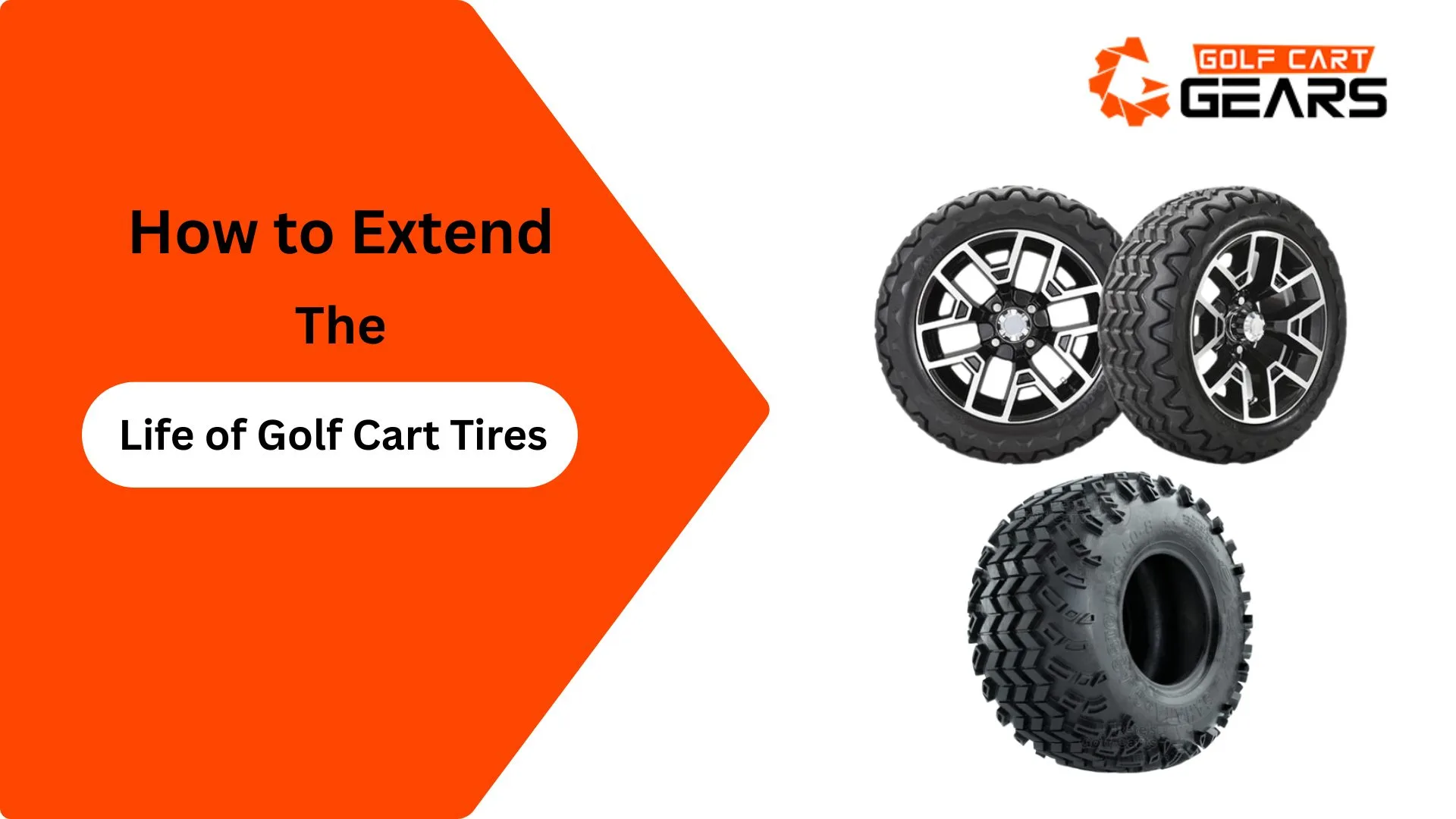
Keep your golf cart rolling safely and smoothly by learning simple tire maintenance tips. From proper inflation to regular inspections, these steps will help extend tire life, improve performance, and save you money.
In this guide, we’ll walk you through practical tips to keep your golf cart tires in top condition, ensuring a safer, smoother, and more cost-effective ride for years to come.
Table of Contents
Why Proper Maintenance of Golf Cart Tires Matters?
Golf carts are more than just a fun way to get around they are practical vehicles used daily on golf courses, residential communities, and recreational areas. While most owners focus on the battery or motor, one critical component often gets overlooked: the tires. Proper maintenance of Golf Cart Tires is essential not only for safety but also for performance and cost savings.
Worn or underinflated tires can lead to poor traction, increased stopping distance, and even accidents, especially on wet or uneven surfaces. They can also cause your golf cart to handle poorly, reducing overall efficiency and making your ride less enjoyable. Beyond safety and performance, maintaining your tires can save you money.
Understanding Golf Cart Tires:
Before you can maintain your golf cart tires, it’s important to understand what makes them tick. Knowing the different types of tires, tread patterns, and common wear issues will help you spot problems early and extend their lifespan.
Types of Golf Cart Tires
Golf cart tires typically fall into two main categories:
- Pneumatic Tires
- Air-filled tires that provide a smooth, cushioned ride.
- Offer better traction and shock absorption on uneven terrain.
- Require regular pressure checks to prevent flats or blowouts.
- Solid Tires
- Made entirely of rubber or other durable materials.
- Virtually puncture-proof and low maintenance.
- Often firmer ride, less shock absorption than pneumatic tires.
Tread Patterns & Their Uses:
| Tread Type | Best For | Features & Benefits |
| Street Golf Cart Tires | Pavement, golf courses | Smooth ride, minimal noise, longer wear |
| Off-road Golf Cart Tires | Dirt paths, grassy terrain | Aggressive grip, better traction on loose surfaces |
| All-terrain Golf Cart Tires | Mixed surfaces | Balanced traction for street and off-road |
Common Wear Issues:
- Balding: Worn-down tread reduces grip and increases stopping distance.
- Cracking: Exposure to sun and heat can cause rubber to dry out and crack.
- Uneven Wear: Often caused by improper inflation, misalignment, or heavy loads on one side.
Understanding these basics allows you to choose the right tires and maintain them properly, keeping your golf cart safe, smooth, and reliable for years.
Proper Tire Inflation:
Maintaining the correct tire pressure is one of the simplest yet most important ways to extend the life of your golf cart tires. Underinflated or overinflated tires can compromise safety, reduce performance, and cause premature wear.
Importance of Correct Tire Pressure
Incorrect tire pressure can have several consequences:
- Handling: Overinflated tires may make the ride stiff and bouncy, while underinflated tires can feel sluggish and less responsive.
- Safety: Low pressure increases the risk of tire blowouts, reduced traction, and longer stopping distances.
- Tire Life: Uneven wear patterns, cracking, and balding occur faster when tires are not inflated to the proper PSI.
How to Check Tire Pressure
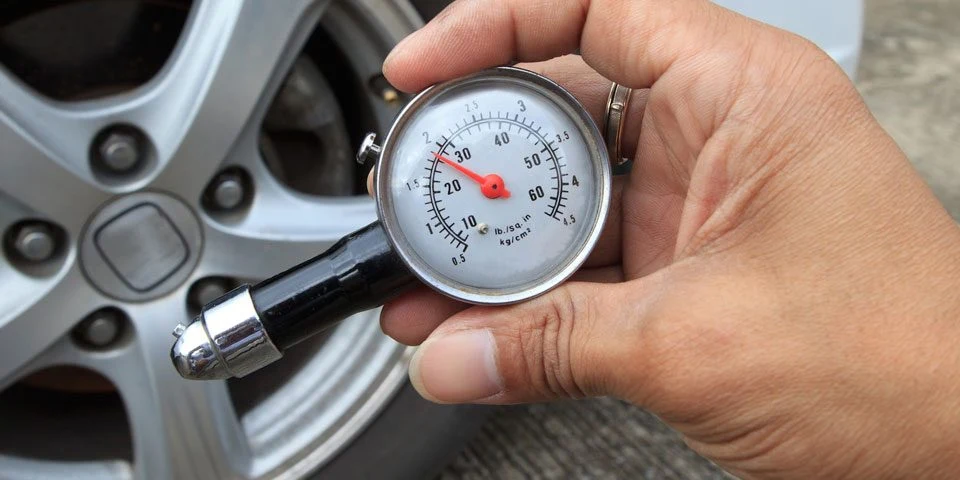
Checking your golf cart tire pressure is easy and should be done regularly:
- Gather your tools: A reliable tire pressure gauge (digital or analog).
- Check when cold: Tires should be checked before driving, when they are cold.
- Remove valve cap from the tire.
- Press the gauge firmly onto the valve stem and read the measurement.
- Adjust as needed: Add air if underinflated, release air if overinflated.
- Replace the valve cap and repeat for all tires.
Recommended PSI by Model
| Golf Cart Model | Recommended PSI (Front) | Recommended PSI (Rear) |
| EZGO | 22–26 | 26–30 |
| Club Car | 24–26 | 28–32 |
| Yamaha | 24–28 | 28–32 |
By maintaining proper tire pressure, you ensure safer handling, a smoother ride, and longer-lasting tires, saving both time and money in the long run.
Regular Tire Inspection:
Even the best-maintained golf cart tires can develop issues over time, which is why regular inspections are essential. By checking your tires frequently, you can catch problems early and avoid costly replacements or accidents.
How Often to Inspect Tires
- Weekly: Quick visual checks for obvious damage or low pressure, especially if you use your golf cart daily.
- Monthly: A more thorough inspection, including tread depth and sidewall condition.
What to Look For
When inspecting your tires, pay attention to:
- Cracks: Small cracks in the tread or sidewall can indicate aging rubber or sun damage.
- Embedded Debris: Stones, nails, or other objects can cause punctures if left unchecked.
- Sidewall Damage: Bulges, cuts, or bubbles may compromise the tire’s integrity.
- Tread Depth: Ensure adequate tread remains for proper traction and safety.
Tools for Inspection
- Flashlight: Helps spot cracks, cuts, and embedded debris.
- Tire Gauge: Ensures accurate pressure readings.
- Magnifier: Useful for identifying small cracks or surface damage early.
Regular inspections are a small investment of time that can prevent accidents, extend tire life, and keep your golf cart running smoothly.
Tire Rotation & Alignment:
Maintaining proper tire rotation and alignment is crucial to getting the most life out of your golf cart tires. Uneven wear not only shortens tire lifespan but can also affect handling and safety.
Why Rotate Tires
Rotating your tires regularly ensures that all tires wear evenly. Without rotation, front or rear tires may wear faster due to weight distribution and driving patterns. Even wear improves traction, prolongs tire life, and keeps your golf cart handling smoothly.
How to Rotate Tires
4-Wheel Golf Carts:
- Step 1: Lift the golf cart safely using a jack and secure with stands.
- Step 2: Swap front tires to the opposite rear positions, and rear tires to the opposite front positions (cross rotation).
- Step 3: Ensure all lug nuts are tightened properly before lowering.
6-Wheel Golf Carts:
- For 6-wheel models, follow the manufacturer’s rotation pattern, usually moving the front set to the center, center to rear, and rear to front. Cross rotation may also apply depending on tire type.
Signs of Misalignment
- Golf cart pulls to one side while driving straight.
- Uneven tire wear, such as one side wearing faster than the other.
Steering feels off-center or loose.
Regular rotation combined with proper alignment checks helps your tires wear evenly, improving safety, ride quality, and saving money on replacements in the long run.
Driving & Parking Tips to Extend Tire Life
How you drive and park your golf cart can have a big impact on tire longevity. Small habits can prevent premature wear, improve safety, and keep your ride smooth.
Smart Driving Habits
- Avoid sudden braking: Abrupt stops create extra friction on the tires, accelerating wear.
- Take turns gently: Sharp turns can wear down the edges of your tires unevenly.
- Moderate your speed: Excessive speed increases heat buildup in tires, which can lead to cracking or premature balding.
Parking Tips
- Avoid rough surfaces: Parking on gravel, rocks, or uneven terrain can damage tire treads over time.
- Limit sun exposure: Prolonged parking under direct sunlight can dry out the rubber, causing cracks and brittleness. Consider a shaded area or a golf cart cover.
Load Management
- Distribute weight evenly: Uneven loads can cause certain tires to wear faster.
- Observe passenger/cargo limits: Overloading your golf cart strains the tires and suspension, reducing their lifespan and affecting handling.
By adopting these simple driving and parking habits, you can significantly extend the life of your golf cart tires, improve performance, and avoid unnecessary replacement costs.
Tire Cleaning & Protection
Keeping your golf cart tires clean is more than just aesthetics it helps prevent damage, extends lifespan, and maintains performance. Dirt, debris, and exposure to sunlight can all take a toll on tire rubber over time.
Proper Cleaning Methods
- Soap and water: Use a mild soap mixed with water to clean tires safely. Avoid harsh detergents that can degrade the rubber.
- Tire brush: A soft- to medium-bristled brush helps remove dirt, mud, and debris lodged in the tread.
- Rinse thoroughly: Make sure no soap residue remains, as leftover chemicals can dry out the tire surface.
Protecting Tires from UV & Chemicals
- Tire protectants: Apply a UV-safe tire protectant or dressing to help prevent cracking and fading caused by sunlight. Choose products specifically designed for rubber.
- Avoid harsh chemicals: Solvents, strong cleaners, or petroleum-based products can weaken the rubber, causing premature wear and brittleness.
By combining regular cleaning with proper protection, you can keep your golf cart tires looking good, performing well, and lasting longer, saving both time and money on replacements.
Replacement Guidelines
Even with the best care, golf cart tires won’t last forever. Knowing when to replace them and how to choose the right replacements is key to keeping your cart safe and performing at its best.
When to Replace Tires
- Balding: If the tread is worn down and traction is reduced, it’s time for new tires.
- Cracks: Deep cracks or dry rot in the sidewalls can lead to blowouts or failures.
- Uneven Wear: Tires that wear unevenly due to misalignment or improper inflation should be replaced to avoid handling issues and further damage.
Regular inspections help you catch these signs early, preventing accidents and expensive emergency replacements.
Choosing the Right Replacement Tires
- Quality Matters: Invest in high-quality tires from reputable brands for durability and safety.
- Tread Type: Match the tread to your typical terrain street, off-road, or all-terrain.
- Model Compatibility: Ensure the tire size and type are compatible with your golf cart model (EZGO, Club Car, Yamaha, etc.).
By replacing tires at the right time and choosing the correct type, you ensure safer rides, better handling, and longer overall tire life, protecting both your golf cart and your investment.
Conclusion:
Proper maintenance of your golf cart tires is essential for safety, performance, and cost savings. Regular inspections, correct tire inflation, rotation, cleaning, and careful driving habits all work together to extend tire life and keep your rides smooth and reliable. Neglecting these simple steps can lead to uneven wear, reduced traction, and costly replacements. By taking a few minutes each week to care for your tires, you protect your investment and ensure a safer, more enjoyable driving experience. Check your tires today, and consider visiting your local golf cart supplier for expert advice or quality replacement tires.
FAQs!
How often should I check tire pressure?
It’s best to check your golf cart tire pressure weekly if you use your cart regularly. Even small fluctuations can affect handling, traction, and tire lifespan. A monthly thorough check of tread and sidewalls is also recommended.
Can I use car tires on my golf cart?
Car tires are not recommended for golf carts. Golf cart tires are designed for lower speeds, lighter weight, and smaller wheel diameters. Using car tires can compromise safety, handling, and wear evenly. Always stick to golf cart-specific tires.
What’s the best tire type for sand vs. pavement?
- Sand: Choose off-road or all-terrain tires with deeper treads for better grip.
- Pavement: Street tires with smooth tread are ideal they reduce noise, wear evenly, and provide a smooth ride.
How long do golf cart tires typically last?
With proper maintenance, golf cart tires can last 3–5 years, depending on usage, terrain, and care. Regular inflation checks, rotation, and inspections will help maximize their lifespan.