
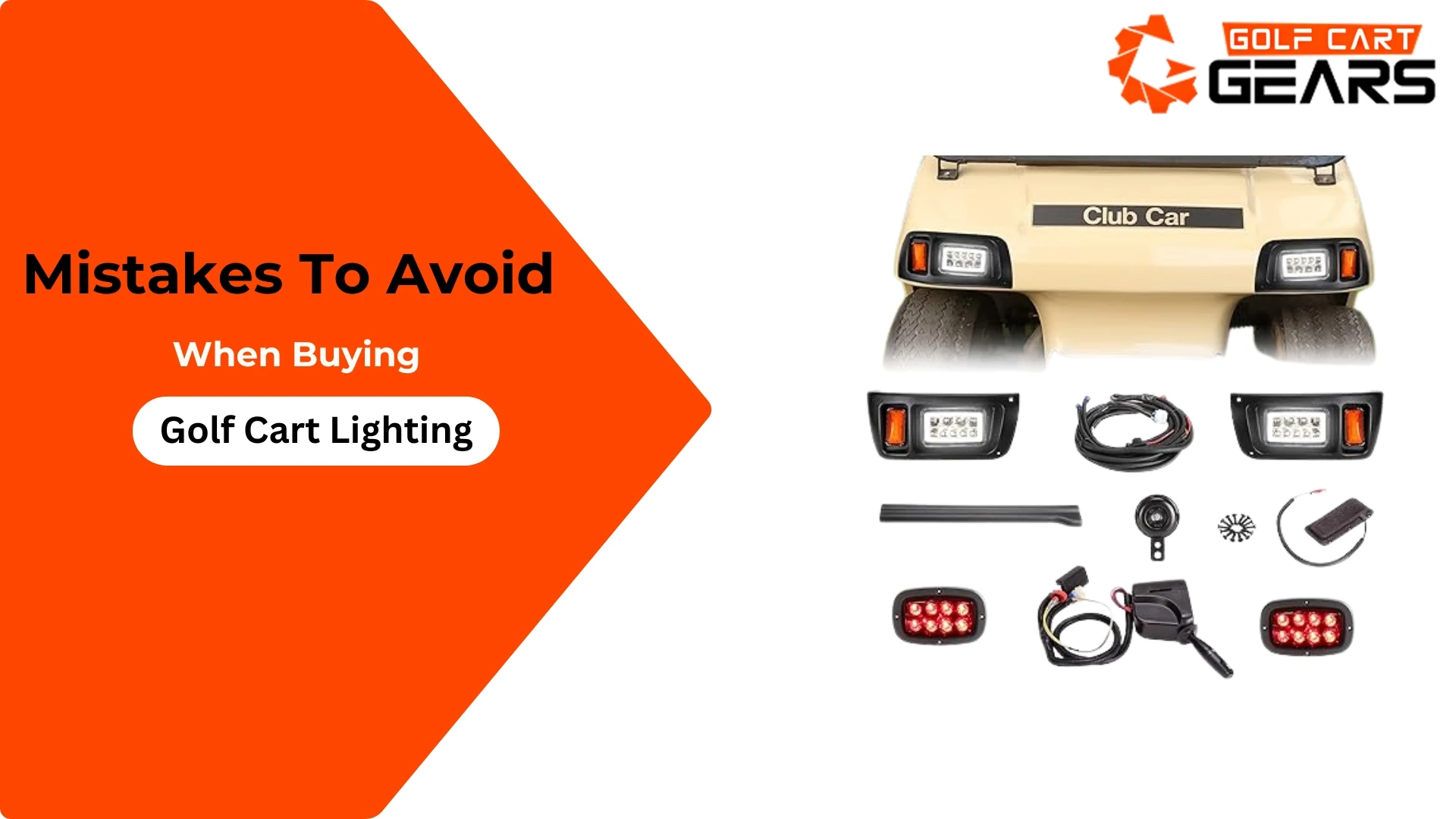
Buying the right golf cart lighting can improve safety, visibility, and daily comfort. Many owners rush the process and end up with lights that do not fit their needs or cart setup. Knowing common mistakes early helps you choose golf cart lights that actually work well and last longer.
Table of Contents
Picking Lighting That Doesn’t Match How You Use Your Cart
Choosing golf cart lighting without thinking about real usage is a common issue. Your driving time, location, and terrain matter more than style alone. Lights that work fine in daylight may fail at night, while off-road use needs stronger beams than basic LED golf cart lights.
Day vs Night Driving Needs
Your driving schedule should guide your choice of golf cart headlights and golf cart tail lights. Daytime carts may only need basic visibility, while night driving demands brighter output and better beam focus.
Many buyers choose low-power lights to save money, then struggle at night due to weak brightness.
- Night driving needs high-lumen LED lights
- Headlights should cover both near and far ground
- Tail lights must stay visible from a distance
| Driving Time | Recommended Lighting Type |
| Day use | Standard LED lights |
| Night use | High-lumen LED headlights |
| Mixed use | Adjustable beam lighting |
Golf Course, Community, And Off-Road Use
Where you drive plays a big role in selecting golf cart light kits. Golf courses usually require soft, focused lighting, while community roads need brighter lights that meet local rules. Off-road paths demand durable and wide-beam golf cart LED light bars.
Ignoring these differences often leads to poor performance or safety risks.
- Golf courses prefer low-glare lighting
- Community carts may need street-legal golf cart lights
- Off-road carts benefit from shock-resistant housings
| Usage Area | Lighting Focus |
| Golf course | Soft, controlled beams |
| Community roads | Bright, road-visible lights |
| Off-road | Wide beam, rugged lights |
Poor Light Coverage And Visibility Gaps
One of the biggest mistakes with golf cart lighting systems is uneven coverage. Some lights focus straight ahead but leave side areas dark, creating blind spots. This is risky during turns or crowded paths.
Proper setup avoids shadows and improves overall safety.
- Use matching headlights and tail lights
- Add side or underbody lighting if needed
- Check beam angle before final installation
Poor placement can make even premium golf cart LED lights ineffective.
Overlooking Cart Compatibility And Electrical Setup
Many buyers focus only on brightness and style, but golf cart lighting must match your cart’s electrical system and physical design. Ignoring compatibility often leads to poor performance, wiring issues, or damage. Understanding golf cart electrical setup basics helps you avoid wasted money and safety problems.
Voltage And Power System Mismatch
One common mistake with golf cart light kits is choosing lights that do not match the cart’s voltage. Golf carts usually run on 36V, 48V, or 12V systems, and using the wrong lights can cause flickering or burnout.
Some LED golf cart lights need voltage reducers, while others are plug-and-play.
- Always check cart voltage before buying lights
- Use a voltage reducer if required
- Avoid mixing lights with different power ratings
| Cart Voltage | Lighting Requirement |
| 36V | Needs reducer for 12V lights |
| 48V | Reducer required for most LED kits |
| 12V | Direct-compatible lighting |
Ignoring voltage details may damage the golf cart battery, wiring, or lights themselves.
Model-Specific Fit Issues
Not all golf cart headlights and tail lights fit every cart model. Buyers often assume “universal” means perfect fit, but body shape, dash layout, and mounting points differ between EZGO, Yamaha, Club Car, and other models.
Poor fit causes gaps, loose mounts, or blocked light angles.
- Check cart make, model, and year
- Review mounting brackets and cutout size
- Confirm compatibility with factory body panels
| Cart Brand | Fit Consideration |
| EZGO | Dash and nose shape varies by year |
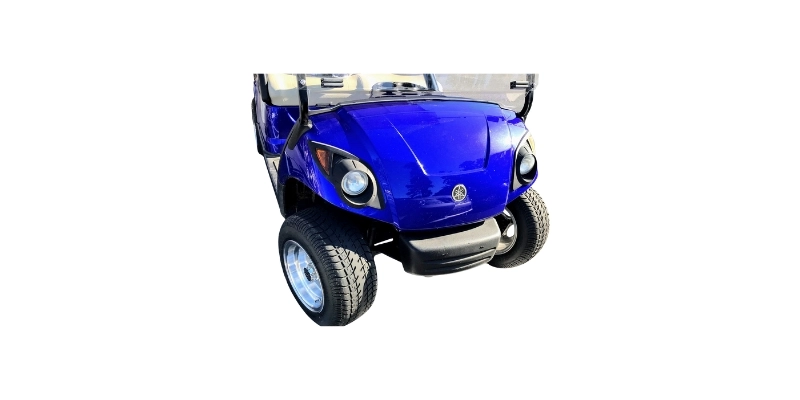
| Yamaha | Front cowl depth affects headlights |
| Club Car | Requires model-specific brackets |
Choosing model-specific golf cart lighting ensures better alignment and longer life.
Improper Mounting And Installation Limits
Even the best golf cart LED lighting can fail if installed incorrectly. Loose mounts cause vibration, while poor wiring creates shorts or weak output. Many users skip instructions and rush installation.
Proper mounting improves durability and light coverage.
- Secure lights with correct brackets
- Route wires away from moving parts
- Use weather-resistant connectors
| Installation Issue | Common Result |
| Loose mounting | Shaking, broken lights |
| Poor wiring | Flickering or power loss |
| No seal protection | Moisture damage |
Improper setup can also limit future upgrades like light bars, turn signals, or street-legal golf cart lighting kits.
Missing Safety Rules And Legal Lighting Requirements
Many golf cart lighting issues happen when owners ignore safety rules and local laws. Choosing lights without checking legal requirements can lead to fines, unsafe driving, or failed inspections. Understanding street-legal golf cart lighting rules helps keep your cart visible, compliant, and safe in public areas.
Street-Legal And Local Compliance Errors
Every city and state has different rules for street-legal golf carts. A common mistake is buying lights that look bright but do not meet legal standards. Headlights, tail lights, and signals must meet specific visibility and placement rules.
Common compliance mistakes include:
- No DOT-approved golf cart headlights
- Missing turn signals on public roads
- No brake lights or reflectors
| Required Light | Street-Legal Purpose |
| Headlights | Night and low-light visibility |
| Tail lights | Rear visibility |
| Turn signals | Safe lane and turn indication |
| Reflectors | Added visibility at night |
Ignoring these rules can make your golf cart lighting kit illegal for road use.
Incorrect Light Placement And Glare Problems
Even when using the right LED golf cart lights, poor placement can cause safety issues. Lights installed too high or angled incorrectly can blind oncoming drivers or reduce your own visibility.
Improper placement often leads to glare or uneven lighting.
- Mount headlights at recommended height
- Angle beams slightly downward
- Avoid exposed wiring near steering parts
| Placement Issue | Safety Risk |
| Lights too high | Glare for other drivers |
| Lights too low | Poor road visibility |
| Wrong angle | Uneven light spread |
Correct placement improves golf cart visibility without disturbing others.
Skipping Essential Safety Lights
Many owners focus only on headlights and forget other golf cart safety lights. Missing lights reduce visibility, especially in traffic or crowded areas like neighborhoods and parking lots.
Essential lights often skipped include:
- Brake lights
- Turn signals
- Hazard lights
- Reverse lights
| Safety Light | Why It Matters |
| Brake lights | Warns vehicles behind |
| Turn signals | Prevents sudden moves |
| Reverse lights | Alerts pedestrians |
| Hazard lights | Signals emergencies |
Skipping these features increases accident risk and reduces street approval chances.
Choosing Cheap Lights Over Long-Term Value
Many golf cart owners make the mistake of buying cheap lights, thinking they save money. However, low-cost golf cart lighting often fails quickly, costs more in replacements, and may not provide proper visibility. Investing in quality lights ensures safety, durability, and long-term satisfaction for your cart.
Low-Quality Materials And Weather Damage
Cheap LED golf cart lights or plastic lenses often use inferior materials. These lights can crack, fade, or fail when exposed to sun, rain, or dust. Over time, moisture can seep into the housing, causing electrical shorts or corrosion.
Tips to avoid weather-related damage:
- Choose waterproof and dustproof golf cart lights
- Check for UV-resistant materials
- Avoid lights with thin plastic or flimsy wiring
| Material Quality | Potential Issue |
| Thin plastic lens | Cracks and discoloration |
| Poor wiring | Short circuits |
| Low-grade LED | Reduced brightness over time |
Using durable materials ensures your golf cart lights withstand all-weather conditions.
Short Lifespan And Frequent Replacements
Cheap lights may seem attractive at first, but their short lifespan leads to constant replacements. This not only increases cost over time but also causes inconvenience and downtime.
Consider these factors when evaluating lights:
- Longevity of LED bulbs (hours of use)
- Warranty coverage
- Resistance to vibration and shocks
| Light Type | Average Lifespan | Replacement Frequency |
| Low-quality LED | 1,000–2,000 hours | Every 6–12 months |
| Premium LED | 10,000+ hours | Rarely, 3–5 years |
Choosing long-lasting lights reduces future headaches and maintains consistent golf cart safety.
Buying From Unreliable Sellers Instead Of Trusted Store
Many owners purchase golf cart lighting kits from unknown online sellers to save a few dollars. Unreliable sellers may send defective products, lack proper support, or offer no warranty.
Buying from trusted suppliers like Golf Cart Gears ensures:
- Genuine, tested LED and halogen lights
- Full warranty and return options
- Expert guidance for proper installation
- Support for model-specific EZGO, Yamaha, or Club Car lighting
- Access to high-quality mounting hardware and accessories
Investing in quality lights from a reliable store provides long-term value, better performance, and peace of mind. It’s a smarter choice than replacing cheap lights repeatedly.
Choosing quality golf cart lights may cost a little more upfront but saves money, stress, and improves safety over time. Prioritize durability, proper fit, and trusted sellers for the best results.
Conclusion
Choosing the right golf cart lighting is more than just picking a style—it’s about safety, durability, and long-term value. Avoiding cheap lights, ignoring cart compatibility, or skipping legal requirements can lead to frequent replacements, poor visibility, and safety risks. Investing in high-quality, weather-resistant LED and halogen golf cart lights ensures reliable performance and protects your electrical system.
Buying from trusted suppliers like Golf Cart Gears guarantees genuine products, proper fit for EZGO, Yamaha, and Club Car models, and expert support. Following proper installation and maintenance practices extends the life of your golf cart lights while keeping every ride safe and enjoyable.
FAQs (Frequently Asked Questions)
What are the most common mistakes when buying golf cart lighting?
The most common mistakes include choosing lights that don’t match your cart’s use, ignoring cart compatibility, buying cheap lights with short lifespan, and skipping street-legal lighting requirements.
How do I know if my golf cart lights are compatible?
Check the voltage and electrical system of your cart, and ensure the lights fit your specific model, such as EZGO, Yamaha, or Club Car. Always follow manufacturer guidelines to avoid installation issues.
Are cheap golf cart lights worth it?
Cheap golf cart lights may save money upfront but often have low-quality materials, short lifespan, and poor weather resistance. Investing in high-quality lights from Golf Cart Gears ensures durability and safety.
Can I install golf cart lights myself?
Yes, but you must follow proper installation instructions and check for mounting compatibility. Improper installation can cause electrical problems or unsafe lighting performance.
Do golf cart lights need to follow legal rules?
Yes, especially for carts used on public streets. Street-legal golf cart lights must meet local regulations, including headlight brightness, tail lights, and turn signals.
Where can I buy reliable golf cart lighting?
Trusted suppliers like Golf Cart Gears provide genuine, model-specific golf cart lights, including LED and halogen options, with guidance for installation and maintenance.