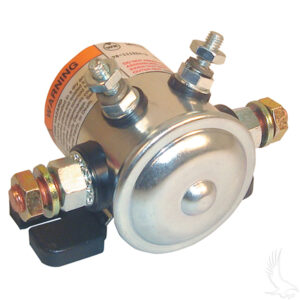
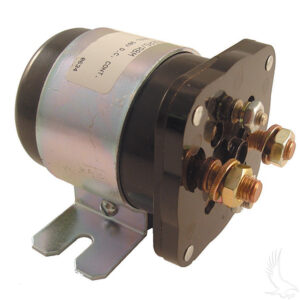
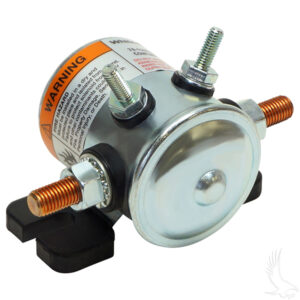
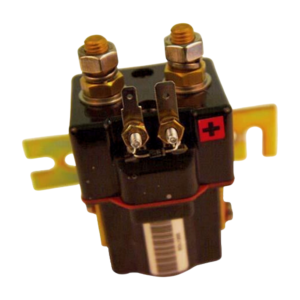
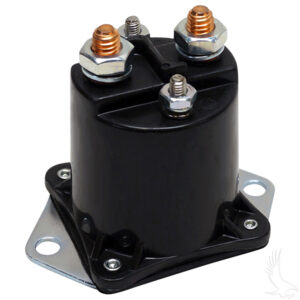
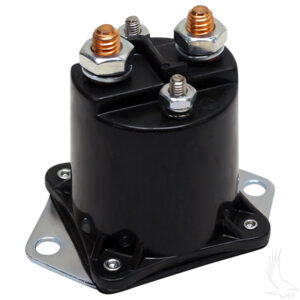
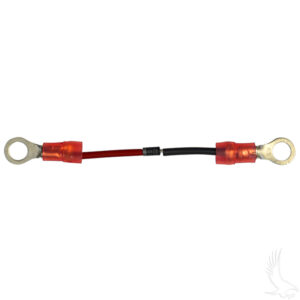
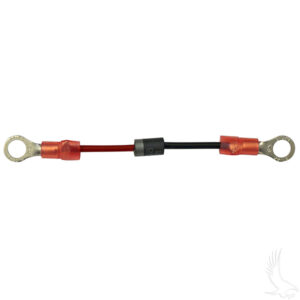
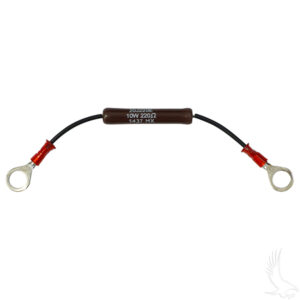
High-Performance Golf Cart Solenoids
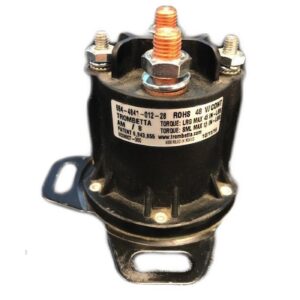
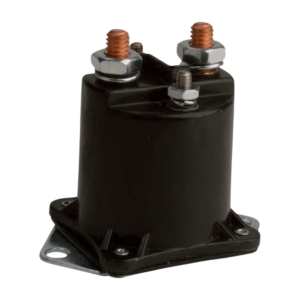
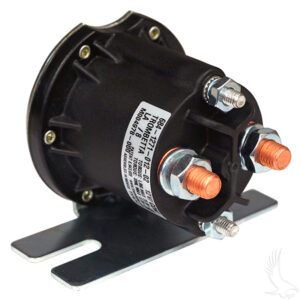
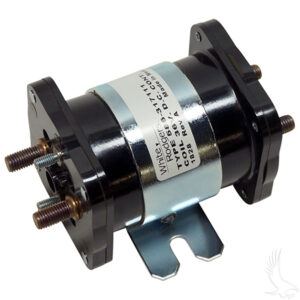
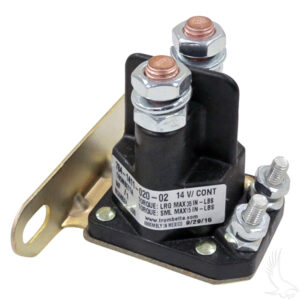
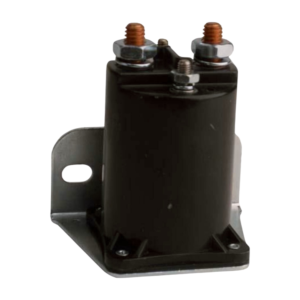
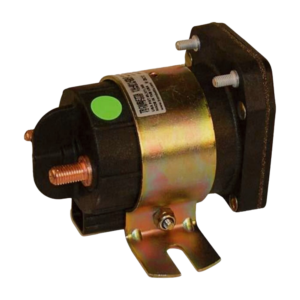
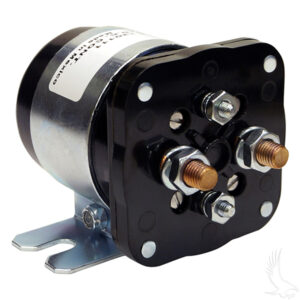
A golf cart solenoid is one of the most important Golf Cart Parts, ensuring your electric golf cart runs smoothly and efficiently. It functions as an electrical switch that controls the flow of power from the battery to the motor, allowing your cart to start, accelerate, and operate safely. Choosing a high-quality solenoid keeps your golf cart performing at its best and prevents costly electrical issues down the road.
What is a Golf Cart Solenoid and How It Works
A golf cart solenoid is an electromagnetic device that controls electricity flow in your golf cart. By using a magnetic field created by the coil, it opens or closes the circuit, allowing power from the battery to reach the motor and start the cart.
Role of the Solenoid in Powering Golf Carts
The solenoid golf cart works like a switch activated by pressing the accelerator or turning the key. When triggered, it sends electric current to the motor, enabling the cart to move forward or reverse. Without a working solenoid, the golf cart won’t start or respond.
- Controls high electrical current flow to the motor
- Acts as a safety mechanism preventing accidental starts
- Enables smooth acceleration and stopping
- Is constantly used during cart operation, handling up to 300 amps per use
Key Components and Safety Features
The main parts of a golf cart solenoid include the coil, plunger, and contacts. The coil creates a magnetic field that moves the plunger, which closes or opens the contacts to allow or stop electricity flow.
- Coil: Wire winding that generates magnetic force
- Plunger: Metal rod moved by the magnetic field to open/close contacts
- Contacts: Metal plates that complete or cut electrical circuit
- Safety features prevent power flow when key is off or battery is low
Together, these components ensure the electric golf cart solenoid functions efficiently, protects the motor, and helps control the golf cart’s speed and direction. A faulty or worn solenoid can cause issues like golf cart solenoid not clicking or failure to start, making regular checks essential.
By investing in a high-quality electric golf cart solenoid or brand-specific options like club car solenoid and following proper maintenance, you ensure reliable power and smooth operation for your golf cart rides.
Types and Brand-Specific Golf Cart Solenoids
Golf cart solenoids come in different types and designs that suit specific golf cart brands and models. Choosing the right solenoid ensures optimal performance and safety for your cart. From brand-specific to universal options, understanding these types will help you find the perfect fit.
Club Car Solenoid Features and Replacement Tips
Club Car solenoid is known for its durability and perfect fit for Club Car models like DS and Precedent. These solenoids use heavy-duty contacts and robust construction that withstands frequent use.
- OEM quality for reliable power delivery
- Designed for 36V or 48V systems common in Club Car golf carts
- Easy to replace with bolt-on mounting
- Replacement cost varies but typically ranges between $40-$80
Regular testing for voltage and clicking function helps maintain smooth operation.
EZGO Golf Cart Solenoid Wiring and Models
The EZGO golf cart solenoid wiring diagram is important for proper installation and troubleshooting. EZGO solenoids are popular in TXT and Medalist models and often feature 4-terminal designs.
- Wiring diagrams help in identifying correct wire connection
- Compatible with 36V and 48V EZGO systems
- Many aftermarket and OEM options available for replacement
- Solenoid replacement kits often include mounting hardware and wiring guides
Universal Solenoid Options
For golf carts without brand-specific solenoids or for custom builds, universal solenoids offer flexible solutions. These solenoids work across 36V and 48V systems and come with extra features like diodes or resistors for controller protection.
- Fits multiple brands including Yamaha, Club Car, and EZGO
- Easy wiring and installation with included hardware
- Quiet operation and higher amperage ratings for enhanced performance
- Ideal for upgrades or high-demand carts
Choosing the right solenoid for electric golf cart such as a club car solenoid or ezgo solenoid replacement ensures reliable power flow and increases the lifespan of your golf cart’s electrical system. Ensure the solenoid matches your cart’s voltage and wiring needs for smooth, trouble-free rides.
Common Signs of a Failing Golf Cart Solenoid
A golf cart solenoid is a crucial part that controls the power flow in your golf cart. When it starts to fail, it can cause your cart to have trouble starting or running smoothly. Recognizing common signs early can help you avoid bigger problems.
Recognizing When the Solenoid is Not Clicking
One of the most noticeable signs of a bad golf cart solenoid is when it does not click. The click sound usually means the solenoid is engaging to let current flow to the motor. If there’s no click when you press the accelerator or turn the key, it may mean the solenoid is faulty or has wiring issues.
- No clicking sound when starting the cart
- Intermittent or weak clicking sounds
- Golf cart does not start or respond
If your golf cart solenoid isn’t clicking, check the battery and wiring connections first. Sometimes loose wires or low battery power cause the issue.
Electrical and Wiring Troubleshooting
Faulty or damaged wiring can cause golf cart solenoid not clicking or power loss. It’s important to inspect cables and connections around the solenoid regularly. Corrosion, broken wires, or loose terminals can stop the solenoid from working properly.
- Examine wiring for corrosion or breaks
- Tighten all connections around the solenoid
- Use a multimeter to check for voltage drops or continuity
- Inspect related components like switches and fuses
Troubleshooting wiring can often fix solenoid problems without full replacement.
When to Replace the Solenoid
If testing shows the solenoid coil is bad or contacts are worn out, it’s time for a golf cart solenoid replacement. Other signs include slow or inconsistent acceleration, burning smells near the solenoid, or the cart randomly losing power during use.
- Solenoid fails continuity or shows resistance above normal range
- Contacts are visibly burnt or damaged
- Cart struggles to start or moves erratically
- Regular maintenance does not restore function
Replacing your club car solenoid or ezgo solenoid replacement with a quality part ensures the motor receives reliable power. Prevent further damage by replacing faulty solenoids quickly.
Early attention to solenoid golf cart issues keeps your cart running smoothly and protects the electrical system. Regular inspection and proper wiring care extend solenoid life and prevent unexpected failures.
Step-by-Step Golf Cart Solenoid Replacement
Replacing a golf cart solenoid is a necessary task when your cart shows signs of electrical issues. This step-by-step guide helps you safely remove the faulty solenoid and install a new one, restoring your golf cart’s performance and reliability.
Safety Preparation
Before starting the replacement, prioritize safety to avoid accidents and electrical shocks.
- Park the golf cart on a flat surface and engage the parking brake
- Turn off the ignition and remove the key
- Disconnect the negative battery cable first to cut off power
- Wear insulated gloves and safety glasses for extra protection
Proper safety preparation ensures a secure working environment and prevents damage to the electrical system.
Removing the Old Solenoid
Locate the solenoid golf cart, usually near the battery or under the seat. Carefully detach wires, noting their positions or taking a photo for reference.
- Use a wrench or screwdriver to loosen and remove wire terminals
- Keep track of all nuts, bolts, and washers to reuse
- Unscrew the mounting bolts securing the solenoid to the cart frame
- Gently remove the old solenoid without damaging surrounding parts
Removing the old club car solenoid or any other brand version requires patience to keep connections intact for easy reinstallation.
Installing and Testing the New Solenoid
Position the new solenoid in the same place as the old one and secure it with mounting bolts. Reattach the wires according to your earlier notes or reference photo.
- Tighten all electrical connections firmly but avoid overtightening
- Reconnect the negative battery cable last
- Turn the key to the ON position and listen for the solenoid clicking
- Test the golf cart by gently pressing the accelerator and ensuring smooth motor activation
If the solenoid works properly, the cart will start and run without hesitation. This step confirms a successful golf cart solenoid replacement.
Following these steps carefully helps ensure your golf cart’s electrical system functions well with a new electric golf cart solenoid or brand-specific solenoids like the EZGO solenoid replacement. Proper installation extends the life of your golf cart and avoids costly repairs later.
Understanding Golf Cart Solenoid Replacement Costs
Knowing the cost of golf cart solenoid replacement helps you plan for repairs and find the best value. Costs vary depending on your golf cart’s brand, solenoid type, and whether you choose original or aftermarket parts.
Typical Price Range
The price of a golf cart solenoid usually ranges from $20 to $80, depending on the model and quality. For example, a club car solenoid replacement might cost slightly more than a universal or generic solenoid due to brand-specific features. Labor costs for installation can add to the total if you hire a technician.
- Basic solenoids cost between $20 and $40
- Premium or OEM solenoids can range from $50 to $80
- Labor charges typically range from $50 to $100 if professionally installed
It’s important to buy the right solenoid to avoid repeated repairs and ensure your golf cart runs reliably.
OEM vs Aftermarket Comparisons
When replacing a solenoid, you will face a choice between OEM (original equipment manufacturer) and aftermarket parts. OEM solenoids work perfectly with your golf cart model and offer high reliability but are generally more expensive. Aftermarket solenoids are cheaper and widely available but may have variable quality and fit.
- OEM solenoids ensure exact fit and compatibility with models like EZGO solenoid replacement and club car solenoid
- Aftermarket solenoids provide cost savings and often include universal options for multiple brands
- Warranty coverage tends to be better on OEM parts
- Aftermarket parts may need occasional adjustments or replacement sooner
Choosing between OEM and aftermarket depends on your budget, warranty preferences, and desired peace of mind. Always consider the long-term reliability and installation ease when selecting a solenoid for electric golf cart.
Maintenance Tips for Longer Solenoid Life
Proper maintenance of your golf cart solenoid helps keep your golf cart running smoothly and extends the life of this essential part. Simple regular care prevents common issues like corrosion, electrical faults, and early solenoid failure.
Regular Inspection and Cleaning
Regularly inspecting and cleaning the solenoid area removes dirt, debris, and buildup that can block connections or cause overheating. Clean terminals and tight connections ensure reliable electrical flow in your electric golf cart solenoid.
- Remove dirt and dust with a soft brush or cloth
- Use electrical contact cleaner on terminals to remove corrosion
- Check terminals and wires for looseness or wear
- Inspect mounting points for signs of damage or rust
- Perform visual checks monthly or after heavy use
Keeping the solenoid area clean helps prevent power loss and intermittent operation caused by dirty or loose contacts.
Preventing Corrosion and Electrical Issues
Corrosion on solenoid terminals and wiring is one of the main causes of golf cart solenoid not clicking or failure. Protecting the solenoid and wiring from moisture and wear greatly improves its durability.
- Apply dielectric grease to terminals to repel moisture
- Cover solenoid with protective coatings or housings if exposed to water
- Routinely tighten all electrical connections to avoid arcing
- Replace damaged or frayed wires promptly
- Charge batteries properly to avoid electrical surges that can damage the solenoid
Preventive care against corrosion and wiring damage keeps your solenoid working reliably and minimizes the need for costly golf cart solenoid replacement or repairs. With regular inspection and cleaning, your club car solenoid or ezgo solenoid replacement will deliver consistent power and enhance your golf cart’s performance season after season.
Power Up Your Ride with Premium Golf Cart Solenoids
Get durable, efficient Golf Cart Solenoids at Golf Cart Gears. Enhance your cart’s reliability and power — Buy Yours Today!
FAQs!
What is a golf cart solenoid and why is it important?
A golf cart solenoid is an electrical switch that controls power flow from the battery to the motor. It enables the cart to start and run smoothly. Without a working solenoid golf cart, your cart won’t operate properly.
How can I tell if my golf cart solenoid is bad?
Common signs include the golf cart solenoid not clicking, the cart not starting, or losing power intermittently. Sometimes you may hear weak or no clicking when pressing the accelerator or turning the key.
What does it mean if my solenoid is clicking but the cart won’t move?
This usually indicates worn or burnt contacts inside the solenoid. It allows the solenoid to engage but stops the full flow of power to the motor, often requiring a golf cart solenoid replacement.
How much does a golf cart solenoid replacement cost?
Costs vary by brand and type, but most club car solenoid replacement or EZGO solenoid replacement parts range from $20 to $80. Labor costs add extra if not doing it yourself.
Can I fix wiring problems instead of replacing the solenoid?
Yes, many solenoid issues come from loose or corroded wires. Tightening connections or cleaning terminals with electrical contact cleaner can restore function without replacement.
Is there a difference between OEM and aftermarket solenoids?
OEM solenoids like club car solenoid offer guaranteed fit and high reliability but are costlier. Aftermarket options may be cheaper and universal but can vary in quality and longevity.
How do I test a golf cart solenoid?
Testing usually involves checking for a clicking sound when starting, using a multimeter to check for continuity and voltage at solenoid terminals. Lack of click or abnormal readings often means a bad solenoid.
Where is the solenoid located on a golf cart?
Typically, the solenoid is located near the battery compartment or under the seat. The exact position may vary by model, such as club car or EZGO golf carts.
Can a faulty solenoid damage my golf cart motor?
Yes, a failing solenoid can cause power surges or interruptions that stress the motor and other electrical components.
How often should I inspect or maintain the golf cart solenoid?
Regular inspection every few months, especially after heavy use, is recommended. Cleaning terminals, checking connections, and protecting against corrosion extend solenoid life.