
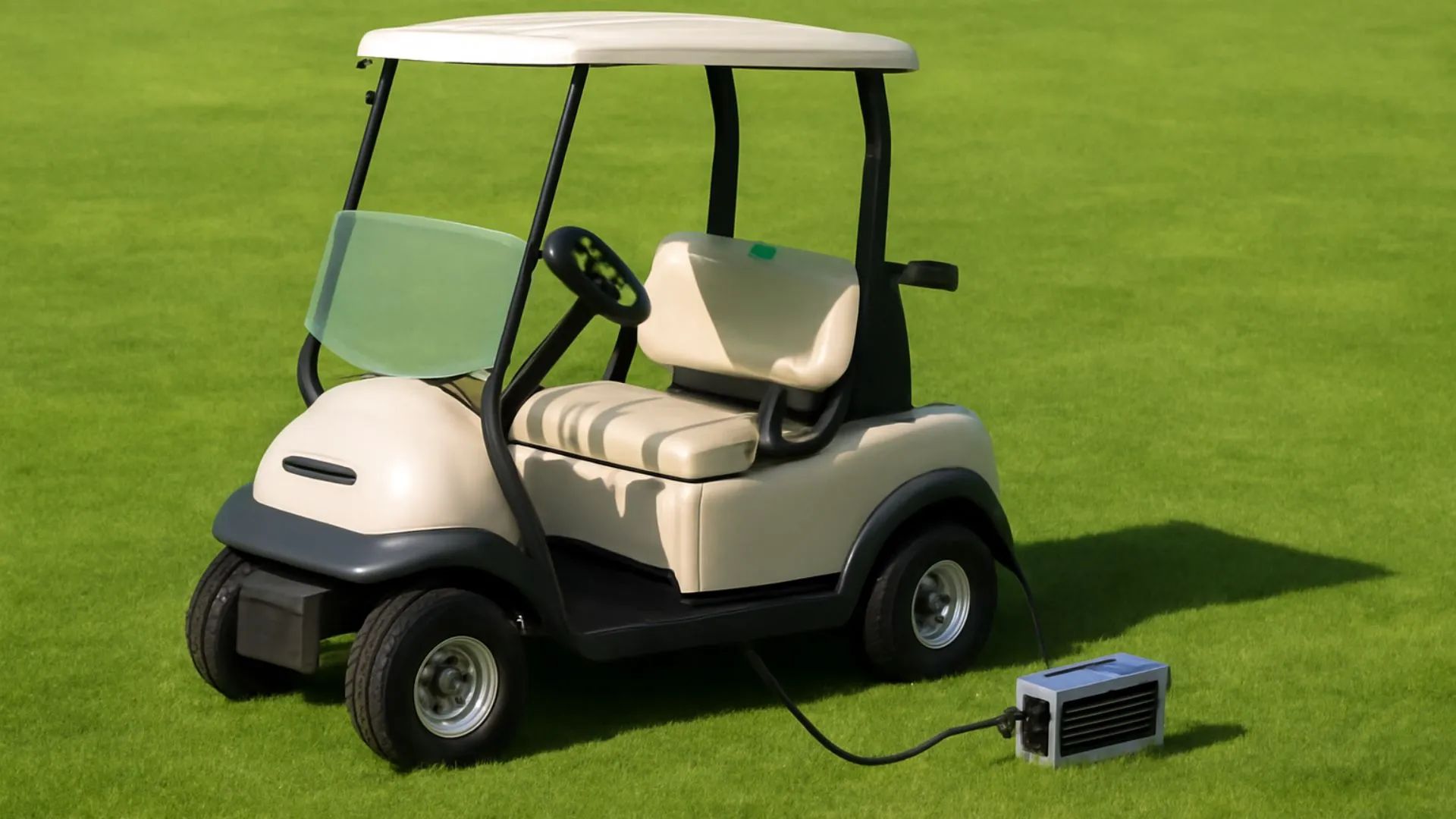
Finding the perfect golf cart battery charger shouldn’t feel like solving a puzzle. With thousands of models available and prices ranging from $150 to over $1,200, making the right choice protects your investment and keeps your cart running strong for years to come.
The golf cart industry has grown tremendously. The golf cart battery market expanded from USD 122.54 million in 2023 to USD 130.39 million in 2024, reflecting the rising popularity of electric golf carts worldwide. This growth means more charger options but also more confusion for buyers like us.
Table of Contents
Understanding the Critical Role of Your Golf Cart Battery Charger
Your golf cart battery charger does far more than simply restore power to dead batteries. It acts as the guardian of your entire electrical system, directly impacting battery lifespan, performance, and safety.
Proper charging can extend battery life significantly. Lead-acid batteries typically last 3-5 years with proper charging, while lithium-ion batteries can achieve 8-10-year lifespans. However, using the wrong charger or poor charging habits can cut these lifespans in half.
Think about your smartphone charger. You wouldn’t grab any random charger and hope for the best, right? Your golf cart deserves the same careful consideration.
Battery Chemistry: The Foundation of Charger Selection
Before we can choose the right charger, we need to understand what powers our car. Modern golf carts use three main battery technologies, each requiring specific charging approaches.
Battery Types vs. Charger Requirements (Comparison Table)
| Battery Type | Charger Needed | Pros | Cons |
|---|---|---|---|
| Flooded Lead-Acid | 3-stage charger (bulk, absorption, float) | Affordable, widely available | Requires watering & upkeep |
| AGM (Absorbed Glass Mat) | The charger is tuned for low-resistance charging | Maintenance-free, charges faster | Higher cost than flooded |
| Lithium-Ion | Lithium-specific charger with smart algorithms | Long lifespan (8–10 yrs), lightweight | Expensive, must have correct charger |
Lead-Acid Batteries (Flooded Cell). These traditional batteries remain the most common choice for golf carts. They’re affordable upfront but require regular maintenance. Lead-acid batteries need chargers that can handle the three-stage charging process: bulk, absorption, and float.
AGM (Absorbed Glass Mat) Batteries: AGM batteries are sealed lead-acid units that don’t require water additions. They charge faster than flooded batteries but need chargers designed for their lower internal resistance.
Lithium-ion Batteries The newest technology offers the longest lifespan and best performance. Lithium batteries can last up to 10 years or 3,000-5,000 cycles, compared to lead-acid batteries that last 500-1,000 cycles. However, they require specialized lithium chargers with different voltage parameters and charging algorithms.
Voltage Systems: Getting the Math Right
Golf carts operate on either 36-volt or 48-volt electrical systems. This isn’t just a number – it determines which charger you need and affects your cart’s performance.
| System Voltage | Common Battery Configurations | Typical Range | Charger Requirements |
| 36-volt | Six 6-volt batteries | 15-25 miles | 36V charger, 15-25 amp |
| 36-volt | Three 12-volt batteries | 15-25 miles | 36V charger, 15-25 amp |
| 48-volt | Six 8-volt batteries | 25-40 miles | 48V charger, 15-25 amp |
| 48-volt | Four 12-volt batteries | 25-40 miles | 48V charger, 15-25 amp |
| 48-volt | Eight 6-volt batteries | 25-40 miles | 48V charger, 15-25 amp |
Never compromise on voltage matching. A 36-volt charger connected to a 48-volt system won’t fully charge your batteries. Worse, a 48-volt charger on a 36-volt system can cause dangerous overcharging, leading to battery damage or even fire.
Amperage Selection: Speed vs. Battery Health
Charger amperage determines how quickly your batteries charge, but faster isn’t always better for battery longevity.
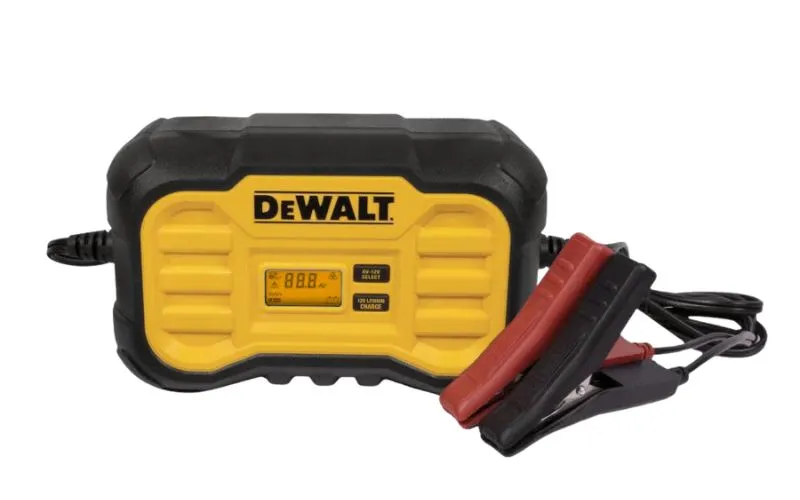
Low Amperage Chargers (5-10 Amps). These gentle chargers take longer but create less heat and stress on your batteries. They’re perfect for overnight charging and can extend battery life by reducing chemical stress.
Medium Amperage Chargers (15-25 Amps) This range offers the best balance for most golf cart owners. Charging typically takes 6-8 hours from a depleted state, and the moderate current doesn’t create excessive heat.
High Amperage Chargers (25+ Amps) Fast chargers work well for commercial operations where downtime costs money. However, frequent fast charging generates heat that can reduce battery lifespan.
1. Frequent charging and discharging shortens battery lifespan.
2. Balancing charging speed with battery health is essential.
3. Optimized charging practices help extend long-term performance.
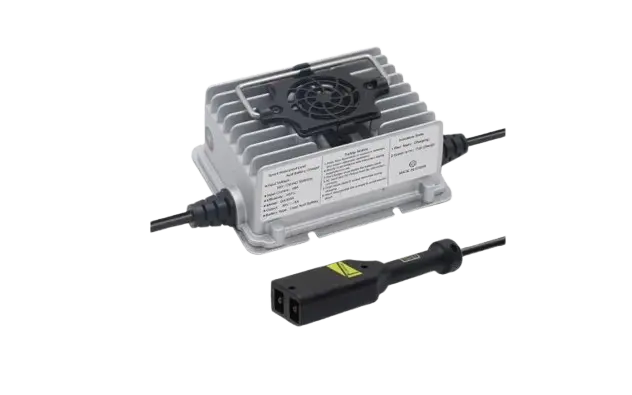
Brand-Specific Charger Requirements
Different golf cart manufacturers have developed their standards over the years, creating compatibility challenges for charger selection.
EZ-GO (EZGO) Golf Cart Battery Chargers EZ-GO carts commonly use round charging plugs and work well with automatic chargers. Many EZ-GO models have 36-volt systems, though newer ones often feature 48-volt setups. The company has used consistent charging standards, making charger replacement relatively straightforward.
Club Car Golf Cart Battery Chargers. Club Car has used various plug styles throughout its history. Older models often have different connections than newer ones. Many Club Car 48-volt systems require specific charger settings to properly charge their battery configurations.
Yamaha Golf Cart Chargers Yamaha electric carts have their own charging requirements, particularly the newer models. Some Yamaha carts use unique plug configurations that require specific chargers or adapters.
Always consult your owner’s manual or check the existing charger label before purchasing a replacement.
Smart Chargers vs. Basic Chargers: Technology That Protects Your Investment
The charger market has evolved significantly, offering everything from basic units to sophisticated smart chargers with advanced features.
Basic vs. Smart Golf Cart Chargers (Comparison Table)
| Feature | Basic Charger | Smart Charger |
|---|---|---|
| Charging Control | Manual on/off or timer | Auto 3-stage charging |
| Overcharge Protection | ❌ No | ✅ Yes |
| Battery Monitoring | ❌ None | ✅ Real-time voltage, temp, errors |
| Convenience | Must unplug manually | Plug-and-forget with maintenance mode |
| Price Range | $150–$300 | $300–$600+ |
| Best For | Occasional users | Frequent golfers & fleet owners |
Basic Chargers: Simple but Limited. Traditional chargers follow a simple on/off pattern. They start charging when connected and stop when you unplug them or when a basic timer runs out. While less expensive, they require more attention and offer no protection against overcharging.
Smart Chargers: Advanced Protection and Convenience Modern smart chargers monitor your batteries continuously and adjust their charging accordingly. Key features include:
- Automatic voltage detection that works with multiple cart types
- Three-stage charging (bulk, absorption, maintenance) for optimal battery health
- Temperature compensation that adjusts charging based on ambient temperature
- Reverse polarity protection to prevent damage from incorrect connections
- LED status indicators showing charging progress and completion
- Maintenance mode that keeps batteries topped off during storage
Smart chargers typically cost 30-50% more than basic units, but they can extend battery life enough to justify the extra expense.
Energy Consumption and Operating Costs
Understanding the energy consumption of golf cart charging helps with both environmental and economic decisions.
Studies show that electric golf carts consume approximately 3.3 kWh for daily energy needs, making them significantly more efficient than gas-powered alternatives.
Using an electric golf cart for short distances can reduce fuel expenses by up to $1,000 annually, with typical charging taking about five hours for an empty battery.
For perspective, charging a typical 48-volt golf cart costs approximately $0.50-$1.50 per full charge, depending on local electricity rates. This translates to roughly 2-5 cents per mile of operation.
Advanced Charger Features for Modern Golf Carts
Today’s golf cart battery chargers offer features that would have been unimaginable just a decade ago.
Digital Displays and Monitoring Advanced chargers include LCD screens showing real-time information like charging current, battery voltage, charging time remaining, and fault codes. Some models even provide battery health assessments.
Multiple Battery Type Compatibility: Premium chargers can automatically detect and charge different battery chemistries. These units switch between lead-acid and lithium charging profiles automatically, making them perfect for cart owners who might upgrade batteries in the future.
Bluetooth and Wi-Fi Connectivity High-end chargers now offer smartphone apps that let you monitor charging progress remotely. You can receive notifications when charging completes or if problems occur.
Weather Protection and Durability Outdoor-rated chargers feature weather-resistant housing with proper ventilation. Look for units with IP65 ratings or higher if you plan outdoor installation.
Energy Efficiency Certifications Modern chargers often carry Energy Star ratings or similar efficiency certifications. These units waste less electricity during charging, reducing operating costs and environmental impact.
Installation Considerations and Safety Requirements
Proper charger installation affects both performance and safety. Most golf cart owners can handle basic installation, but understanding the requirements helps ensure success.
Electrical Requirements Most residential golf cart chargers operate on standard 110V household current. However, some high-amperage units require 220V outlets for optimal performance. Check your charger’s specifications before installation.
Ventilation Needs: Chargers generate heat during operation. Install yours in well-ventilated areas away from combustible materials. Garage installations should maintain at least 6 inches of clearance on all sides.
Plug Compatibility and Adapters: Golf cart charging plugs vary significantly between manufacturers and model years. Common plug types include:
- Round plugs (common on EZ-GO models)
- Rectangular plugs (used by various Club Car models)
- Triangle plugs (less common, found on some specialty carts)
- Proprietary connectors (manufacturer-specific designs)
If your new charger doesn’t match your cart’s plug, quality adapters are available. However, ensure adapters are rated for your charger’s full amperage to prevent overheating.
Maintenance Mode and Storage Considerations
Many golf cart owners don’t use their carts year-round, making proper storage and charging critical for battery health.
Understanding Float/Maintenance Mode: Smart chargers automatically switch to maintenance mode after completing the main charging cycle. This mode provides just enough current to offset natural battery discharge, keeping them at optimal charge levels.
Seasonal Storage Best Practices For carts stored longer than two weeks:
- Connect a smart charger with maintenance mode
- Check charging status monthly
- Ensure storage area stays above freezing (batteries charge poorly in cold conditions)
- Lead-acid batteries require 30% more energy for charging in sub-zero conditions
Battery Watering and Charger Interaction: Flooded lead-acid batteries require regular water additions. However, only add water after charging, as the charging process causes electrolyte levels to rise. Adding water before charging can cause overflow and corrosion.
Troubleshooting Common Charger Problems
Understanding common charger issues helps maintain your equipment and identify when replacement becomes necessary.
Charger Won’t Start
- Check plug connections at both the cart and the wall outlet
- Verify the circuit breaker hasn’t tripped
- Inspect charging cables for damage
- Test the outlet voltage with another device
Slow or Incomplete Charging
- Clean battery terminals and charging connections
- Check battery water levels (flooded batteries only)
- Test individual battery voltages
- Consider battery age—old batteries may not hold a full charge
Excessive Heat During Charging
- Ensure adequate ventilation around the charger
- Check for loose connections causing resistance
- Verify amperage matches battery specifications
- Consider charger age—older units may be less efficient
LED Status Light Problems
- Consult your charger’s manual for specific light patterns
- Red lights typically indicate problems or active charging
- Green lights usually signal charging completion
- Flashing patterns often indicate specific fault conditions
Cost Analysis: Investment vs. Value
Old car charger prices vary widely, but understanding the total cost of ownership helps justify spending more for quality.
Buyer’s Guide: Best Golf Cart Chargers by Use Case
| Category | Best For | Key Features | Price Range |
|---|---|---|---|
| Budget-Friendly Charger | Occasional users, lead-acid carts | Simple plug-and-charge, reliable, no-frills | $150–$250 |
| All-Around Smart Charger | Most golfers, 36V & 48V systems | Auto voltage detection, 3-stage charging, maintenance mode, temp protection | $350–$550 |
| Premium Charger | Lithium battery users, fleets, daily use | Lithium compatibility, fast charging, Wi-Fi/Bluetooth monitoring, heavy-duty design | $600–$1,200+ |
Budget Chargers ($150-$300) Basic chargers work but offer minimal protection features. They’re suitable for occasional use but may not provide optimal battery life.
Mid-Range Chargers ($300-$600) Smart chargers in this range offer automatic features, safety protection, and better efficiency. They represent the best value for most golf cart owners.
Premium Chargers ($600-$1,200+) High-end units include advanced monitoring, multiple battery compatibility, and commercial-grade durability. They’re worthwhile for frequent users or valuable cart investments.
Total Cost of Ownership Perspective: A quality charger that extends battery life by even one year can save $500-$1,500 in replacement costs. The initial investment in a better charger often pays for itself through improved battery longevity.
Environmental Impact and Sustainability
Choosing efficient chargers contributes to environmental sustainability while reducing operating costs.
Studies show that replacing just 20% of gas golf carts with electric versions could reduce emissions by approximately 3.8 tonnes of CO₂ per day during golf season, equivalent to removing 155 mid-sized gasoline cars from the roads.
Modern chargers contribute to this environmental benefit through:
- Improved energy efficiency (less electricity waste)
- Longer battery life (fewer batteries in landfills)
- Smart charging algorithms (reduced grid stress)
- Compatibility with renewable energy systems
Future Trends in Golf Cart Charging Technology
The golf cart charger industry continues advancing with new technologies that improve convenience, efficiency, and battery protection.
Solar Integration: Solar-compatible chargers allow off-grid charging using renewable energy. These systems work especially well for golf course applications and remote locations.
Fast-Charging Technology New lithium battery chemistries enable faster charging without the heat and degradation associated with traditional fast charging. Some systems can achieve 80% charge in under 2 hours.
Vehicle-to-Grid Integration Advanced chargers may eventually allow golf carts to feed energy back into the electrical grid during peak demand periods, creating additional value for cart owners.
Artificial intelligence and learning future chargers might learn your usage patterns and optimize charging schedules automatically, further extending battery life while reducing energy costs.
Making Your Final Charger Selection
Choosing the right golf cart battery charger requires balancing multiple factors:
- Match your battery type exactly—never compromise on compatibility
- Consider your usage patterns—frequent users benefit from smart features
- Plan for the future – Choose chargers that accommodate potential upgrades
- Invest in quality – Better chargers protect expensive batteries
- Factor in convenience—smart features save time and worry
The perfect charger for your situation depends on your specific needs, but following these guidelines ensures you’ll make an informed decision that serves you well for years to come.
FAQ‘s
How do I know what voltage system my golf cart uses?
Check your owner’s manual, count your batteries (6 batteries usually mean 36V; 4 or 8 batteries often mean 48V), or look at your existing charger’s label. You can also measure voltage with a multimeter across the main battery terminals.
Can I use a higher-amperage charger to charge my batteries faster?
Yes, but within limits. Most golf cart batteries can safely accept 15-25 amp charging. Higher amperes generate more heat and may reduce battery lifespan. Check your battery manufacturer’s recommendations.
What’s the difference between a golf cart charger and a regular battery charger?
Golf cart chargers are specifically designed for deep-cycle batteries and multi-battery systems. They provide appropriate voltage levels (36V or 48V) and charging profiles optimized for golf cart battery chemistry.
How long should I charge my golf cart batteries after each use?
Charge after every use, regardless of how far you drove. Most batteries need 6-8 hours for a full charge. Smart chargers will automatically stop when charging is complete.
Can I leave my golf cart plugged in all winter?
Yes, if you have a smart charger with maintenance mode. These chargers automatically switch to a low-current maintenance charge that prevents overcharging while keeping batteries healthy during storage.
Why does my charger get hot during charging?
Some heat is normal, especially during the initial charging phase. However, excessive heat may indicate problems like poor ventilation, loose connections, or a charger malfunction. Ensure adequate airflow around your charger.
How do I know when my golf cart charger needs replacement?
Signs include batteries not reaching full charge, excessive charging time, unusual heat generation, damaged cables, burning smells, or the charger not turning on. Most quality chargers last 8-15 years with proper care.
Can I use a lithium battery charger on lead-acid batteries?
No, not. Lithium chargers use different voltage parameters and charging algorithms that can damage lead-acid batteries or create safety hazards. Always use chargers designed for your specific battery type.
Can cold weather affect golf cart battery charging?
Yes, significantly. Cold temperatures slow chemical reactions in batteries, requiring longer charging times and potentially more energy. Lead-acid batteries may need 30% more energy for charging below freezing temperatures.
Should I buy an automatic or manual golf cart charger?
Automatic (smart) chargers are strongly recommended for most users. They prevent overcharging, optimize battery life, and require less attention. Manual chargers are only suitable for experienced users who can monitor the charging process closely.
How do I maintain my golf cart battery charger?
Keep the charger clean and dry; ensure adequate ventilation; inspect cables regularly for damage; check connections for corrosion, including the amperage following; and store it in a protected area when not in use. Most chargers require no internal maintenance.
Can I repair my golf cart charger if it breaks?
Simple issues like damaged cables or plugs can often be repaired. However, internal electronic problems usually require professional repair or replacement. Attempting internal repairs can be dangerous and may void warranties.