
Choosing the right golf cart batteries is important for getting the power and performance you need. Different voltage setups—36V, 48V, and 72V—offer varying speeds, torque, and range. This guide will help you understand these options so you can pick the best for your golf cart and driving style.
Table of Contents
Key Differences Between 36V, 48V, and 72V Systems
Each voltage system provides a unique balance of power, speed, and battery life. Knowing these differences helps you decide which setup matches your usage preferences, terrain, and budget.
How Each Voltage Affects Power, Speed, and Torque
The voltage level in your golf cart batteries directly influences motor power and overall speed.
- 36V batteries deliver moderate speed and torque, suitable for flat surfaces and light use.
- 48V systems provide better acceleration and climbing power, common in most golf carts today.
- 72V batteries offer the highest speed, torque, and performance, ideal for heavy loads and hilly terrain.
| Voltage | Typical Speed Range (mph) | Torque and Power | Best Use Case |
| 36V | 12–15 | Moderate | Flat courses, casual riding |
| 48V | 15–20 | Good balance of power and speed | General use, moderate hills |
| 72V | 20+ | High torque and speed | Steep hills, heavy loads, off-road |
Higher voltage means stronger power output, which results in faster acceleration and better hill climbing. This is important if you carry heavy passengers or ride on uneven terrain.
Voltage Impact on Driving Range and Terrain Suitability
Voltage also affects how far your golf cart can go before recharging, and how well it handles different terrains.
- Lower voltage systems like 36V usually have shorter ranges and work best on smooth, level ground.
- 48V setups often deliver a balance of range and terrain versatility, suitable for most golf carts.
- 72V batteries offer extended range and perform best on challenging terrains or longer rides.
| Voltage | Estimated Range per Charge (miles) | Terrain Handling |
| 36V | 15–20 | Smooth paths and flats |
| 48V | 20–25 | Mixed terrain, moderate hills |
| 72V | 25+ | Steep hills, rough, and off-road surfaces |
Choosing the right voltage means considering where you will use your cart most and how far you typically drive.
Choosing the Right Voltage Based on Your Golf Cart Usage
To select the best battery voltage for your golf cart:
- If you mostly drive on flat golf courses or neighborhoods, a 36V system might be enough.
- For more power and versatility without major upgrades, a 48V setup is common and reliable.
- If you require high speed, better hill climbing, or carry heavier loads, a 72V battery system is suitable but may need cart modifications.
Always ensure your battery system matches your golf cart model and motor specifications for safety and efficiency.
Typical Applications for 36V Battery Systems
36V golf cart batteries are commonly used in golf courses, resorts, community transportation, and light utility vehicles. These systems offer moderate power and efficiency, making them ideal for smooth terrain and everyday use where heavy loads or steep hills are not common.
Performance Limits and When 36V Works Best
36V batteries deliver moderate speed and torque, suitable for flat terrain and lighter duties. They are best for:
- Golf courses and campuses with mostly level paths
- Residential gated communities for short-distance travel
- Small utility carts used for light cargo or maintenance
| Feature | Description |
| Typical Speed | 12 to 15 mph |
| Load Capacity | Light to moderate loads |
| Terrain Suitability | Flat ground and gentle slopes |
Though 36V systems may struggle with steep hills or heavy loads, they provide efficient power in appropriate settings.
Charging Time and Maintenance Tips for 36V Batteries
Proper care extends battery life and ensures reliable performance:
- Charge regularly, ideally after each use
- Avoid overcharging or deep discharging
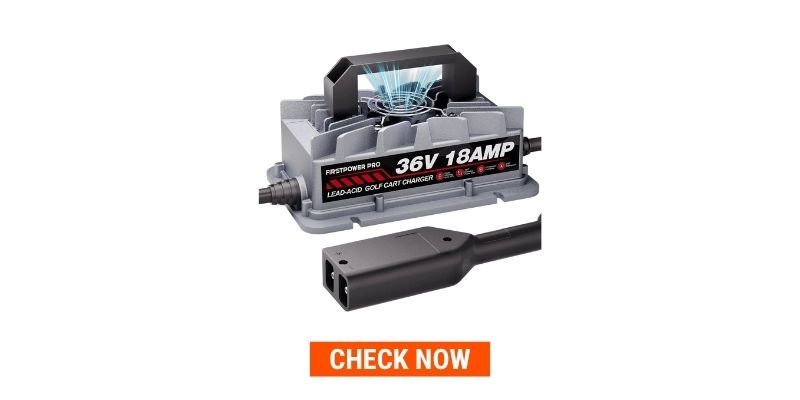
- Use a charger compatible with 36V systems
- Inspect battery terminals for corrosion
- Clean batteries and keep them dry
Lithium-based 36V batteries like LiFePO4 charge faster and need less maintenance than traditional lead-acid types, often lasting over 2000 cycles.
Popular Cart Models Using 36V Systems and Cost Overview
Many older or smaller golf carts come equipped with 36V battery systems. Examples include early Club Car and EZGO models designed for gentle course riding. These setups are generally affordable and easier to maintain.
| Cart Model | Typical Battery Type | Estimated Cost Range (36V Battery) |
| Older Club Car Models | Lead Acid or Lithium | $600 – $1,200 |
| EZGO TXT (Pre-2014) | Lead Acid or Lithium | $650 – $1,300 |
| Yamaha G29 | Lithium Preferred | $700 – $1,400 |
Upgrading to 36v lithium golf cart battery increases upfront cost but reduces maintenance and extends runtime.
Golf Cart Gears provides a variety of 36V battery options tailored for different golf cart models and usage levels, offering expert support to help you choose the best fit for your power needs.
Why 48V Batteries Are the Most Common Choice
48V golf cart batteries offer a good balance of power, efficiency, and durability, making them a popular choice for many golf carts. They provide enough speed and torque for most terrains while maintaining manageable maintenance needs and cost.
Balancing Power, Efficiency, and Load Handling
The 48V battery system delivers stronger power and better torque compared to 36V, allowing smoother acceleration and improved hill climbing. This voltage level is efficient, drawing less current which helps extend battery life and provides longer run time.
- Provides fast acceleration and better load handling
- More efficient energy use compared to 36V systems
- Supports heavier passenger and cargo weight
| Voltage | Speed Range (mph) | Efficiency | Typical Use Case |
| 36V | 12-15 | Moderate | Flat terrain, light loads |
| 48V | 15-20 | High | Varied terrain, moderate loads |
| 72V | 20+ | Very High | Rough, hilly terrain, heavy-duty use |
48V batteries strike a balance that fits most golf cart users, whether on golf courses, neighborhoods, or light off-road paths.
Suitable Terrain and Battery Types for 48V Systems
48V systems excel on diverse terrains, including gentle hills and mixed surfaces. These batteries are available in traditional lead-acid, AGM, and lithium-ion forms.
- Lead-acid: Lower initial cost but heavier and requires maintenance.
- AGM: Sealed, less maintenance, moderate cost.
- Lithium-ion: Higher upfront cost, lighter, longer lifespan, maintenance-free.
48v lithium golf cart battery, often rated at about 51.2 volts, have grown popular due to their efficiency, weight savings, and minimal upkeep. They provide longer driving ranges and faster charging times compared to lead-acid types.
General Maintenance and Expected Battery Life
Proper maintenance extends the life of 48V batteries regardless of type.
- Keep batteries clean and terminals free from corrosion.
- Maintain proper water levels in lead-acid batteries.
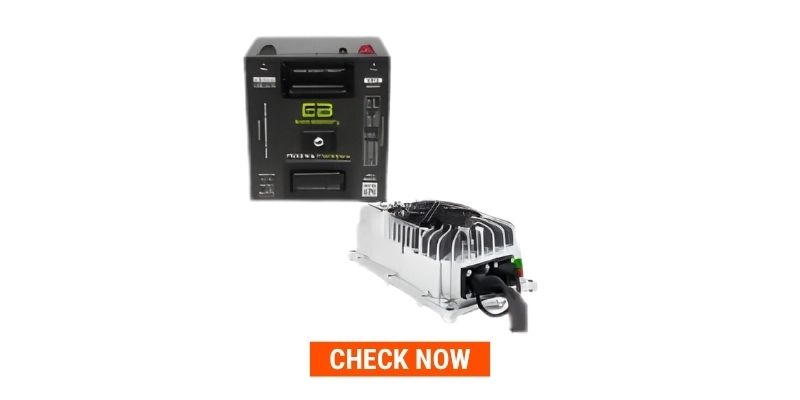
- Use chargers designed specifically for 48V systems.
- Charge batteries regularly to avoid deep discharging.
Lithium 48V batteries are largely maintenance-free and can last 8 to 10 years, significantly longer than lead-acid batteries, which often need replacement every 3 to 5 years.
| Battery Type | Maintenance Level | Expected Lifespan | Charging Time |
| Lead-Acid | High | 3-5 years | 8-10 hours |
| AGM | Moderate | 4-6 years | 6-8 hours |
| Lithium-Ion | Low (maintenance-free) | 8-10 years | 4-6 hours |
Golf Cart Gears offers a wide selection of 48V golf cart batteries, including lithium options that deliver high performance and long life. They also provide expert advice to help you choose the right battery type and maintain it properly for your golf cart’s needs.
Advantages and Requirements of 72V Battery Setups
72V golf cart batteries deliver powerful performance, making them suitable for demanding uses and challenging terrains. These systems offer higher speeds, longer ranges, and stronger torque than lower voltage setups, but they also require specific installation and maintenance considerations.
When 72V Is Necessary for High Power Needs
A 72V battery system is ideal when you need extra power for:
- Driving up steep hills or rough terrain
- Carrying heavy loads or multiple passengers
- Extended range for long rides without frequent charging
This setup provides faster acceleration and higher top speeds, making it popular for commercial use, fleet golf carts, and serious recreational users.
Cart Modifications and Installation Considerations
Installing 72V batteries often requires upgrades to your golf cart:
- Compatible motors and controllers rated for 72V
- Possible adjustments to wiring and connectors
- Stronger suspension to handle increased speed and weight
Proper installation ensures safety and optimal performance. It’s important to consult with experts or suppliers like Golf Cart Gears who offer guidance and compatible parts.
Comparing Longevity and Energy Efficiency to Lower Voltages
While 72V systems provide higher power, they can also be more energy efficient if paired with lithium battery technology. Compared to 36V and 48V:
- 72v lithium golf cart battery often charge faster (3–4 hours) than lead-acid alternatives (8–12 hours)
- Longer cycle life, sometimes 5 to 10 years when well maintained
- Higher energy density leads to better range—up to 60 miles depending on terrain and load
| Voltage | Charging Time | Typical Lifespan | Energy Efficiency | Range per Charge |
| 36V | 8–10 hours | 3–5 years | Moderate | 15–20 miles |
| 48V | 6–8 hours | 4–7 years | Good | 20–25 miles |
| 72V | 3–4 hours | 5–10 years | High | 25–60 miles |
Lightweight lithium iron phosphate (LiFePO4) options are increasingly preferred for 72V carts due to their durability, fast charging, and safety features, including advanced Battery Management Systems (BMS). These ensure protection against overcharging, short circuits, and temperature extremes.
A 72V system is ideal for users seeking maximum power, longer run times, and efficiency. However, upgrading to 72V involves investment in proper components and professional installation to fully benefit from its advantages while keeping your golf cart safe and reliable.
Battery Lifespan, Charging, and Cost Comparisons
Choosing the right golf cart batteries involves understanding how voltage affects charging speed, energy use, lifespan, and cost. Different voltages like 36V, 48V, and 72V have unique benefits and costs that impact how long your battery lasts and how much you spend overall.
How Voltage Affects Charging Speed and Energy Use
Battery voltage plays a major role in charging speed and energy consumption. Higher voltage batteries tend to charge faster and use energy more efficiently:
- 36V batteries usually take the longest to charge, often 8 to 10 hours, and have moderate energy use.
- 48V systems offer faster charge times from 6 to 8 hours with better energy efficiency.
- 72V batteries charge quickest, often in 3 to 4 hours, and provide the best energy use per distance.
| Voltage | Typical Charging Time | Energy Efficiency |
| 36V | 8-10 hours | Moderate |
| 48V | 6-8 hours | Good |
| 72V | 3-4 hours | High |
Faster charging means less downtime and more time on the road. Lithium golf cart batteries at any voltage typically charge faster than traditional lead-acid types.
Expected Cycle Life and Warranty Differences
Battery lifespan is usually measured in charge-discharge cycles, which impacts how many years the battery operates reliably.
- Lead-acid batteries generally last 200 to 1,000 cycles, translating to 2–5 years.
- AGM batteries improve cycle life to around 300 to 1,200 cycles, or 3–6 years.
- Lithium-ion batteries, including Lithium Iron Phosphate (LiFePO4), can last 2,000 to over 5,000 cycles, often 8–10 years or more.
| Battery Type | Cycle Life | Typical Lifespan | Warranty Length |
| Lead-Acid | 200–1,000 | 2–5 years | 1–2 years |
| AGM | 300–1,200 | 3–6 years | 2–3 years |
| Lithium-Ion | 2,000–5,000+ | 8–10+ years | 5–10 years |
Longer lifespan means fewer replacements, saving money and hassle over time. Many golf cart owners prefer lithium batteries despite the higher upfront cost due to this benefit.
Budgeting for Your Battery Setup
When planning your purchase, consider these points:
- Initial cost for 36V batteries is lowest, but they may need frequent replacements and have slower charging.
- 48V systems often balance upfront cost, performance, and lifespan.
- 72V batteries cost more initially but can save money with longer life, better energy use, and faster charging.
| Voltage | Estimated Battery Cost | Typical Replacement Cycle | Overall Cost Note |
| 36V | $600 – $1,200 | Every 2–3 years | Lower upfront, higher maintenance cost |
| 48V | $800 – $1,500 | Every 4–7 years | Balanced cost and life |
| 72V | $1,200 – $2,500 | Every 8–10 years | Higher upfront, lower long-term cost |
Keeping your batteries well maintained with proper charging, cleaning, and storage extends life regardless of voltage. Suppliers like Golf Cart Gears specialize in providing quality batteries and expert advice for choosing the best fit for your cart.
Understanding these factors helps make a smart decision on which golf cart battery voltage system fits your power needs, budget, and usage habits for reliable, long-lasting performance.
Matching Battery Voltage to Your Golf Cart and Motor
Matching the correct battery voltage to your golf cart and motor is important for safety, performance, and battery life. Using the wrong voltage can damage components or cause poor operation. This section explains how to identify your current voltage, what to consider before upgrading, and how to ensure compatibility with other parts.
Identifying Your Current Battery Voltage
To find your golf cart’s battery voltage, check the existing battery pack or manual. Most golf carts have either 36V, 48V, or 72V systems. You can count the number of batteries and their voltage ratings: for example, six 6-volt batteries connected in series make 36 volts.
- Look for voltage labels on batteries
- Count number of batteries times battery voltage
- Common systems: 6×6V (36V), 4×12V or 6×8V (48V), 6×12V (72V)
| Number of Batteries | Battery Voltage Each | Total Voltage |
| 6 | 6 V | 36 V |
| 6 | 8 V | 48 V |
| 6 | 12 V | 72 V |
Identifying voltage correctly helps avoid buying incompatible replacements.
What to Know Before Upgrading Your Battery Voltage
Before upgrading your battery voltage, consider these:
- The motor controller must support the new voltage
- Higher voltage may require upgraded wiring and safety components
- Upgrading voltage can increase speed and power but may need professional installation
- Check compatibility with your cart brand (like Club Car, EZGO, or Yamaha)
Upgrading from 36V to 48V or even 72V can improve performance but requires thorough check on all electrical components.
Ensuring Compatibility with Controllers and Chargers
Your golf cart’s controller and charger must match the battery voltage for safe operation:
- Controllers limit and regulate power from batteries to motors
- Chargers must be designed for the voltage and chemistry of your batteries (lead-acid, lithium)
- Using mismatched controllers or chargers can reduce battery life or cause damage
| Component | Voltage Compatibility | Notes |
| Controller | Must match battery voltage | Check specs before replacing |
| Charger | Must support battery type and voltage | Chargers differ for lithium vs lead-acid |
Always buy controllers and chargers recommended by your battery supplier or trusted vendors like Golf Cart Gears. Their expertise helps ensure proper matching and improves golf cart reliability.
Proper voltage matching and component compatibility keep your golf cart running efficiently, extending battery life and improving safety.
If you’re unsure about your cart’s specs or compatible upgrades, consulting professionals or your supplier is a wise step before making changes.
Finding Reliable Battery Options and Support
Finding reliable golf cart batteries and support is important for getting the right power setup and long-lasting performance. Trustworthy suppliers offer quality batteries, expert guidance, and customer service that helps you choose and maintain the right battery system for your golf cart.
Golf Cart Gears Is a Trusted Supplier
Golf Cart Gears is well-known for providing high-quality batteries and parts designed for popular golf cart brands like Club Car, EZGO, and Yamaha. They focus on:
- Offering a wide range of battery voltages and types, including lithium-ion and AGM
- Providing expert help for selecting the right battery based on your cart model and usage
- Ensuring reliable delivery and strong customer support
Their reputation is built on quality products and service that helps customers get the most from their golf carts.
Batteries for Club Car, EZGO, Yamaha, and More
Golf Cart Gears stocks batteries tailored for different brands and models, covering many golf cart battery voltages like 36V, 48V, and 72V. Their inventory includes:
- Batteries compatible with Club Car golf carts, known for durability
- A variety of options for popular EZGO models across voltage ranges
- Lithium upgrades and replacements for Yamaha golf carts
| Brand | Compatible Battery Voltages | Battery Types Available |
| Club Car | 36V, 48V, 72V | Lead-acid, AGM, Lithium-ion |
| EZGO | 36V, 48V | Lead-acid, AGM, Lithium-ion |
| Yamaha | 36V, 48V | Lead-acid, Lithium-ion |
Their focus on compatibility ensures easy installation and long battery life for each brand.
Customer Support, Warranty, and Installation Assistance
Golf Cart Gears provides comprehensive support, including:
- Warranty coverage on most battery types, helping protect your purchase
- Installation guides and tips to ensure batteries fit and work safely
- Responsive customer service ready to answer technical questions or address concerns
Good support makes buying a golf cart battery less stressful and ensures you get advice tailored to your setup and needs.
Choosing the right whole package—quality batteries, expert advice, warranty, and help from trusted stores like Golf Cart Gears—helps you get the best performance and reliability from your golf cart power system.
Conclusion
Choosing the right golf cart battery voltage is essential for matching the power and performance you need. Whether you select a 36V, 48V, or 72V system, each offers different benefits—36V works well for flat, light use; 48V provides balanced power and efficiency for most users; and 72V gives high power for steep terrain and heavy loads.
Quality batteries from trusted sources like Golf Cart Gears ensure compatibility and reliability with popular brands such as Club Car, EZGO, and Yamaha. Proper maintenance and the right battery voltage setup bring longer battery life, better energy use, and a smoother golf cart experience every time you ride.
Frequently Asked Questions (FAQs)
What are the common golf cart battery voltages?
Most golf carts use 36V, 48V, or sometimes 72V battery systems. The total voltage depends on the number and type of batteries installed, such as six 6V batteries for 36V or six 8V batteries for 48V.
How does voltage affect golf cart performance?
Battery voltage determines power, speed, and torque. Higher voltages like 48V or 72V give more speed and better hill climbing ability compared to 36V systems.
Can I switch my golf cart battery voltage?
Upgrading voltage is possible but requires compatible motors, controllers, wiring, and chargers. Always check with suppliers or experts like Golf Cart Gears before upgrading.
What types of batteries are available for different voltages?
Common types include lead-acid, AGM, and lithium-ion. Lithium batteries last longer, charge faster, and perform better across all voltages.
How can I check my golf cart’s battery voltage?
Count your batteries and multiply by their voltage rating. Also, check the cart’s manual or labels for specifications.
Why choose 48V batteries for a golf cart?
48V batteries offer a good balance of power, range, and efficiency. They are common in newer carts and provide enough speed for most terrains.
Are 72V battery systems better?
72V systems deliver maximum power and speed, suited for steep hills and heavy loads but require more advanced installation and may be costlier.